


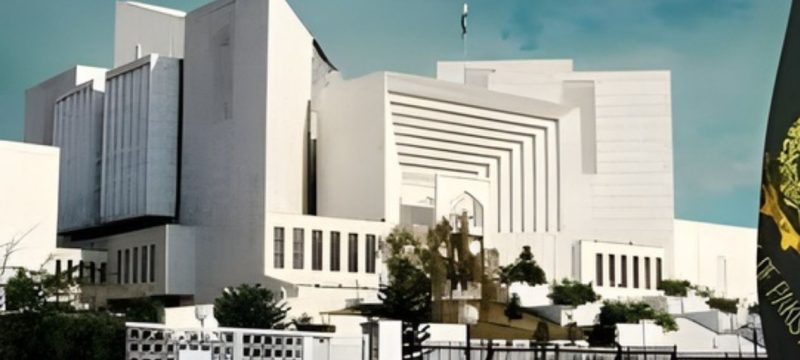
The Supreme Court of Pakistan has ruled that a woman’s divorce claim cannot be converted into khula without her explicit consent. The verdict overturned earlier decisions of the Family Court and the Peshawar High Court Abbottabad Bench, declaring them legally flawed.
The apex court emphasized that a woman’s right to divorce must be respected. In this case, the Supreme Court dissolved the marriage on grounds of cruelty, not khula, and directed the husband to pay Rs1.2 million as the remaining dower. The judgement clarified that converting a divorce into khula without the woman’s permission is null and void.
Second Marriage Without Permission
The court noted that the husband had married a second time without the wife’s consent or the approval of the mediation council. This, the court ruled, violated Section 6 of the Muslim Family Laws Ordinance. The Supreme Court confirmed that such remarriage provides valid legal grounds for divorce under the Dissolution of Muslim Marriages Act.
Non-Payment of Maintenance and Cruelty
The judgement also highlighted the husband’s failure to provide maintenance to his wife. Furthermore, the woman was subjected to character assassination during cross-examination, which the court legally classified as cruelty. The court stressed that a woman’s refusal to live with her husband under such circumstances cannot be considered disobedience.
Petitioner Naila Javed had filed for divorce citing cruelty and other legal grounds. Instead of addressing her allegations, the Family Court had converted her divorce petition into khula, ordering her to relinquish her remaining dower. The Supreme Court, however, ruled this action invalid and reinstated her right to a divorce.
The bench, led by Chief Justice Yahya Afridi and Justice Musarat Hilali, authored the verdict to reinforce the legal distinction between divorce and khula. The judgement firmly establishes that a divorce claim cannot be arbitrarily turned into khula, protecting women’s rights under the law.
In other news read more about Agha Ali Opens Up About Second Marriage and Life After Divorce
This ruling is seen as a significant step in safeguarding women’s legal rights in marital disputes and clarifying divorce laws in Pakistan.