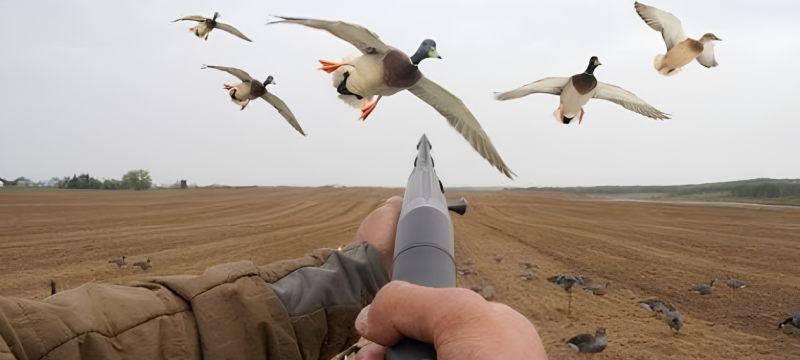
The Khyber Pakhtunkhwa Wildlife Department has restricted waterfowl hunting this season. The new rules aim to protect migratory birds and their natural habitats across the province.
Under the 2026–27 hunting regulations, waterfowl hunting is allowed only three days a week. Hunting will be permitted on Fridays, Saturdays and Sundays.
Latif Ur Rehman, a department spokesperson, shared details of the new regulations. He said the notification was issued by Chief Conservator of Wildlife Dr Mohsin Farooq.
The notification allows waterfowl hunting until December 31, 2026. Hunters must follow all prescribed conditions during this period.
A valid Small Game Shooting Licence is also mandatory. Hunters without the required licence cannot legally hunt waterfowl.
The department has also declared 53 locations as completely closed to hunting. These include wetlands, wildlife areas and other sensitive habitats.
The restricted hunting schedule is aimed at protecting migratory species. Many waterfowl travel long distances during autumn and winter.
These birds cross international borders before reaching Pakistan. They eventually arrive at rivers, lakes, reservoirs and wetlands across KP.
The protected species include Northern Pintail, Common Teal and Mallard. Other species include Gadwall, Eurasian Wigeon and Garganey.
Shoveler, Common Pochard, White-eyed Pochard and Tufted Duck are also covered. Eurasian Coot, Golden Plover and Grey Plover are included as well.
Other listed species include Eastern Golden Plover, Eurasian Curlew and Snipe. Their hunting remains subject to the department’s prescribed rules.
53 Areas Declared No-Hunting Zones
The Wildlife Department has identified 53 areas where hunting is completely prohibited. These include dams, lakes, rivers and wildlife reserves.
Tanda Dam in Kohat is among the protected locations. Several dams in Karak and Kurram have also been included.
Warsak Dam and its catchment area are also closed to hunting. Other protected locations include Mohmand Dam and Basha Dam in Kohistan.
Several stretches of the Indus River have been placed under protection. Other waterways include the Kurram, Tochi, Swat, Panjkora and Chitral rivers.
Several protected areas have also been exempted from hunting. These include Kabalgram Game Reserve and Mankiyal Conservancy.
Kalam Conservancy and Bashar Gol Biosphere Reserve are also included. Tirich Koh Conservancy and Gomal Zam Conservancy are protected as well.
Licence and Hunting Limits
The annual fee for a Small Game Shooting Licence is Rs5,000. Hunters must also pay a Special Duck Hunting Fee.
The fee is set at Rs100 per day for each gun. A daily limit of five ducks per gun has also been introduced.
Hunters cannot exceed this prescribed bag limit. Hunting hours are also strictly controlled under the new regulations.
Hunting cannot begin before first light. All hunting must stop before sunset.
Hunting after sunset is strictly prohibited. Electronic devices cannot be used to hunt waterfowl.
Hunters are also barred from imitating bird calls. Call birds cannot be used to attract migratory waterfowl.
Action Against Violations
The Wildlife Department has directed field teams to act against violations. Anyone hunting in protected areas can face legal action.
Proceedings may be initiated under the KP Wildlife and Biodiversity Act, 2015. Other applicable rules and government notifications may also apply.
The department clarified that a licence does not provide unrestricted hunting permission. Hunters must follow all seasonal restrictions and legal limits.
A fee of Rs2,000 applies for each Greyhound dog. A fee of Rs800 applies for each Pointer dog.
These charges remain subject to the prescribed approval. Additional fines and compensation may apply when wildlife is harmed.
The new regulations are intended to balance legal hunting with conservation. The restricted schedule provides additional protection during the migratory season.
In other news read more about: KP Wildlife Department Announces Sarus Crane Catching Season