

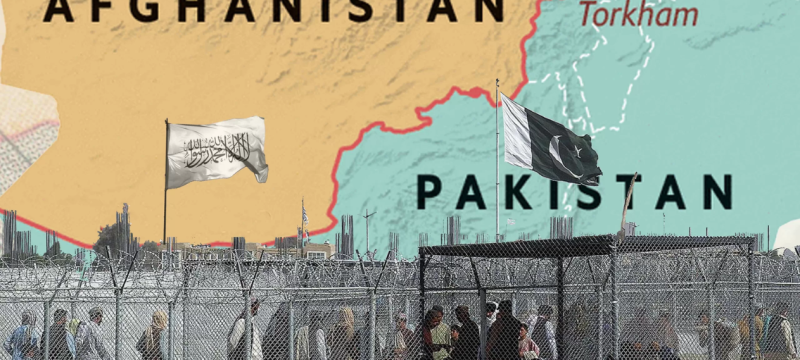
The interim Afghan government has initiated significant measures to curb cross-border terrorist activities, marking a shift in Kabul’s approach and leading to warmer relations with Islamabad. While much of the international spotlight recently focused on the tensions between Pakistan and India, behind the scenes, Pakistan and Afghanistan have been quietly working to reset their strained relationship.
Central to this development is the crackdown by the Afghan Taliban on elements encouraging Afghan nationals to join the banned Tehreek-e-Taliban Pakistan (TTP) and other groups targeting Pakistan. For the first time since the Taliban takeover in 2021, Pakistan witnessed decisive action, with many recruiters jailed and steps taken to halt terrorist attacks originating from Afghan soil.
ALso Read: Pakistan Powers Ahead With 2,000 MW Allocation for Bitcoin Mining and AI Data Centres
These efforts have resulted in a notable decline in attacks in Pakistan’s Khyber Pakhtunkhwa province and paved the way for high-level engagements, including Deputy Prime Minister Ishaq Dar’s historic visit to Kabul in April. Both countries agreed to renewed commitments, including Afghanistan assuring it would not allow its territory to be used against Pakistan and Pakistan easing trade restrictions for Afghan importers.
China’s diplomatic role has been influential, facilitating recent trilateral talks in Beijing where Pakistan and Afghanistan agreed in principle to upgrade diplomatic ties and exchange ambassadors. This move aligns Pakistan with other regional players like Russia and Turkey, who are also considering full diplomatic recognition of the Taliban government.
Amid ongoing tensions with India, Pakistan is keen to secure stability on its western border. Meanwhile, India’s recent outreach to the Afghan Taliban signals a shifting regional dynamic. Observers view China’s diplomatic push as a strategic message to India and an effort to strengthen its influence by encouraging Afghanistan to align more closely with China and Pakistan.