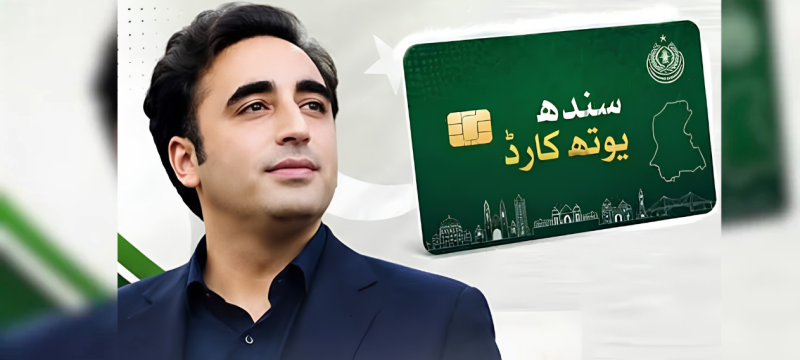
KARACHI: Pakistan Peoples Party (PPP) Chairman Bilawal Bhutto Zardari officially launched the Sindh Youth Card on November 23, 2026.
The launching ceremony took place at the Chief Minister’s House in Karachi.
The initiative aims to support young people through education, employment, business opportunities, and financial services.
The Sindh government introduced the program as a digital platform offering multiple benefits to eligible residents.
Initially, the government plans to provide cards to 100,000 young people across the province.
The long-term target is to expand the program to one million beneficiaries.
Who Can Apply for the Sindh Youth Card?
The program targets young residents of Sindh between the ages of 15 and 29.
However, some reports suggest the first phase may cover applicants aged 16 to 29.
The initiative will cover all 30 districts of Sindh, providing opportunities to young people across the province.
Online registration begins on November 23, 2026.
Applicants will use a centralized digital system to access available services and government programs.
Major Benefits of the Youth Card
The government has introduced six major categories of benefits under the initiative.
These include educational assistance, financial services, employment opportunities, and business support.
Educational Scholarships: Students can receive scholarship opportunities and fee discounts at participating educational institutions.
Technical Training: Young people can access vocational training, IT courses, digital skills programs, and professional certifications.
Employment Opportunities: A digital employment portal will connect applicants with internships, apprenticeships, and available jobs.
Digital Banking: Financial services will be available through banking partners, including Sapphire and Zindigi by JS Bank.
Business Discounts: Cardholders can receive special discounts at more than 180 participating businesses.
Business Loans: The government has proposed concessional loans of up to Rs500,000 to support young entrepreneurs.
These benefits aim to improve access to education, professional development, and financial opportunities.
Transport Discounts and Additional Facilities
The provincial government has also discussed several transport concessions for eligible cardholders.
These include discounted travel on the Green Line, Orange Line, and Peoples Bus Service.
A proposed 25% discount on Pakistan Railways tickets is another benefit under discussion.
Domestic air travel concessions have also been discussed through cooperation with aviation authorities.
However, the implementation details of these transport benefits have not yet been fully confirmed.
The program also includes proposed financial assistance and grants for women entrepreneurs.
Young business owners may receive access to incubation centers, legal guidance, and business consultancy services.
How Will the Sindh Youth Card Work?
The initiative operates through the ONE Sindh Youth Platform, a centralized digital system.
The platform will connect services from 13 government departments and several public and private organizations.
A digital registry and identity verification system will help manage applications and beneficiary records.
Registered users will be able to explore scholarships, training opportunities, employment services, and financial assistance through one platform.
The government aims to simplify access to youth development programs by bringing different services together.
Government Aims to Empower One Million Young People
The Sindh government expects the initiative to create more educational and economic opportunities for young residents.
The first phase will focus on 100,000 beneficiaries before expanding to a larger population.
Officials aim to eventually reach one million young people through the program.
The initiative also seeks to encourage entrepreneurship, improve professional skills, and support employment opportunities.
In other news read more about PAF Announces 180 Civilian Jobs Across Pakistan, Online Registration Open
Further details about registration requirements, application procedures, and individual benefits are expected through official government channels.