

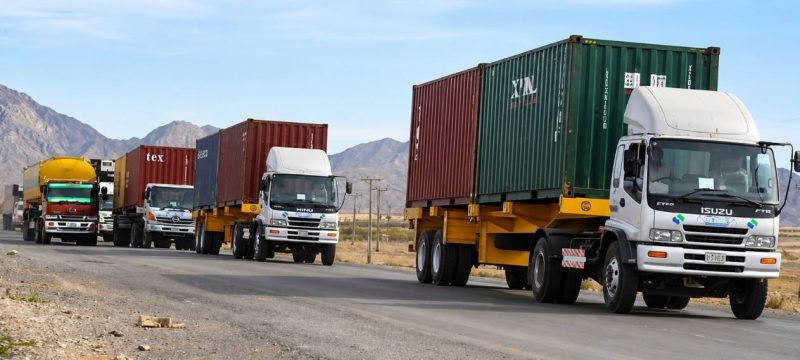
Pakistan’s goods transport sector is facing fresh challenges after Transporters announced a 15% increase in freight charges. The decision comes after the recent rise in fuel prices, higher taxes, and growing operational expenses, which industry representatives say have made it difficult to continue operations under current conditions.
The Pakistan Goods Transport Alliance (PGTA) confirmed the increase in freight rates following the government’s latest petroleum price revision. The move is expected to affect businesses across the country and could lead to higher prices for essential goods.
According to the alliance, rising fuel costs have placed a heavy financial burden on the transport industry. Transporters say they have been left with limited options as operating expenses continue to increase while no significant relief has been provided.
Pakistan Goods Transport Alliance President Malik Shehzad Awan urged the government to withdraw toll taxes, withholding taxes, and transport challans. He argued that these additional costs are making it increasingly difficult for transport companies to continue operating profitably.
Awan said government policies have pushed many Transporters to the edge of financial hardship. He warned that some operators may be forced to park their vehicles if operating costs continue to rise.
He also criticized the latest increase in petroleum prices, saying the transport sector urgently needs government support to avoid further disruption to Pakistan’s supply chain.
The government’s latest notification raised the price of petrol by Rs5.44 per litre, taking it to Rs316.15 per litre. At the same time, High-Speed Diesel saw a much larger increase of Rs31.05 per litre, bringing its price to Rs354.35 per litre.
The revised fuel prices became effective from July 18 and will remain in place until the next pricing review. Diesel plays a critical role in Pakistan’s transportation and logistics industry because it powers trucks, buses, and heavy commercial vehicles that move goods across the country.
Industry experts believe the sharp rise in diesel prices could trigger another wave of inflation. Transportation costs directly affect the prices of food, construction materials, industrial products, and many other everyday items.
With freight charges already increased by 15%, businesses are expected to face higher logistics expenses. Many companies may pass these additional costs on to consumers, leading to higher retail prices across multiple sectors.
Economists warn that the latest increase could place additional pressure on households already dealing with rising living expenses. Manufacturers, wholesalers, and retailers may also experience higher distribution costs, making it more expensive to deliver products nationwide.
The transport industry continues to call for government relief measures to reduce the financial burden on operators. Industry representatives believe lowering taxes and easing operational costs could help stabilize freight rates and support the country’s supply chain.
In other news read more about: Petrol Price in Pakistan Rises to Rs316.15 Per Litre, Diesel Crosses Rs350 After Fresh Hike
As fuel prices remain high, both businesses and consumers are expected to closely monitor future government decisions. The latest increase in freight charges highlights the growing challenges facing Pakistan’s logistics sector and the broader economy as Transporters continue to struggle with rising operating costs.