


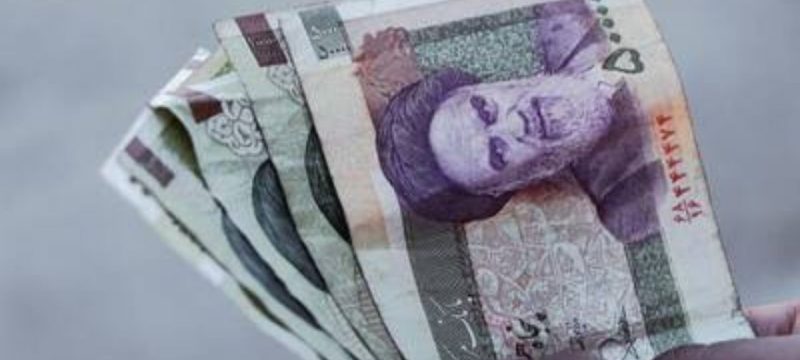
The Iranian Rial remains under pressure despite showing a modest recovery in recent weeks. The currency is still trading near historic lows after months of conflict, sanctions, and economic uncertainty.
The recent conflict between the United States and Iran, along with tighter economic sanctions, severely affected Iran’s economy. The crisis pushed the national currency to its weakest level on record and increased concerns about a long-term financial downturn.
At the peak of military tensions in April 2026, the Iranian Rial recorded its biggest collapse in history. One US dollar climbed to nearly 1.81 million Iranian rials in the open market. The sharp decline created panic among investors and ordinary citizens.
Many people rushed to exchange their savings for US dollars and gold. Confidence in the local currency dropped quickly as fears over the country’s economic future grew.
Although the currency has recovered slightly since then, economists believe the improvement remains limited. The latest gains have not erased the heavy losses caused by months of geopolitical tensions.
Following the ceasefire, some diplomatic engagement between Iran and the United States helped improve market sentiment. Iran’s central bank also stepped into the foreign exchange market to support the currency.
These measures allowed the rial to regain part of its value. However, analysts say the currency remains much weaker than it was in previous years.
The main reasons behind the crisis include strict US sanctions, declining foreign investment, pressure on oil exports, high inflation, and strong demand for US dollars. The recent conflict added further stress to an already struggling economy.
Regional uncertainty continues to create risks for financial stability. Experts warn that any new conflict or additional sanctions could push the currency lower once again.
On the other hand, stronger diplomatic relations, easing international sanctions, and higher oil export revenues could improve confidence and support future stability.
The Iranian Rial has also attracted attention in Pakistan. In June, Pakistani buyers reportedly purchased nearly 3 trillion Iranian rials as hopes for better Iran-US relations increased. Many middle-income investors expected the currency to recover further in the coming months.
By mid-July, one crore Iranian rials was valued at around Rs6,500 to Rs7,500 in Pakistan. The exchange rate attracted interest from individuals looking for low-cost investment opportunities.
Financial experts believe it is still too early to say the crisis has ended. They say the future of the Iranian Rial will largely depend on political developments, diplomatic negotiations, and the government’s ability to rebuild investor confidence.
In other news read more about Dollar Climbs As Middle East Tensions Boost Inflation Concerns
Until stronger economic reforms and international stability emerge, the currency is expected to remain volatile despite its recent rebound.