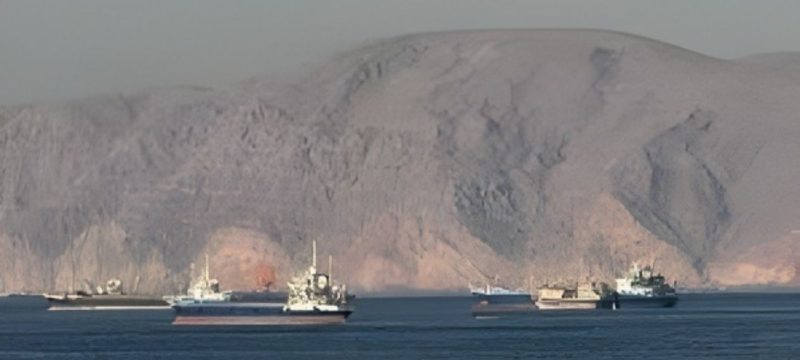
The UAE has strongly rejected recent Iranian claims regarding expanded maritime control near the Strait of Hormuz. The dispute comes amid rising tensions over one of the world’s most important oil shipping routes.
Iran recently announced that its new maritime authority has extended its regulatory reach into areas it says include waters near the UAE, especially close to Fujairah and Umm Al-Quwain. The announcement included a map outlining what Tehran described as its “jurisdiction” for managing the Strait of Hormuz.
According to Iran’s statement, vessels passing through the region must coordinate and receive approval from its naval authorities. The move has raised concern among Gulf countries that rely heavily on free navigation through the waterway.
The UAE responded firmly to the announcement. Senior officials dismissed the claim and described it as an attempt to alter established maritime boundaries. Anwar Gargash, a top Emirati presidential adviser, said the declaration has no legal or practical basis.
He stated that the UAE will not accept any infringement on its maritime sovereignty. He also emphasized that such actions would not change the reality of international law governing the region.
The Strait of Hormuz remains a critical global energy route. A large portion of the world’s oil exports pass through this narrow passage. Any disruption can have major effects on global markets.
The UAE has also highlighted its commitment to maintaining free and safe navigation in the Gulf waters. Officials have repeatedly called for regional and international cooperation to protect shipping routes.
In response to rising tensions, the UAE has also accelerated infrastructure development to reduce dependence on the Strait. Authorities recently confirmed progress on a new oil pipeline project that bypasses Hormuz through Fujairah port.
The project is expected to increase export capacity and provide an alternative route for oil shipments. Officials say it will strengthen energy security and reduce risks linked to regional instability.
Iran, meanwhile, has maintained that it regulates vessel movement in the Strait due to security concerns. It has also claimed that multiple ships have been allowed to pass under its monitoring system.
However, the UAE and other Gulf states continue to reject these claims and stress that the Strait must remain open to all international shipping without restrictions.
In other news read more about Trump Delays Iran Attack After Saudi Arabia, UAE And Qatar Push For Diplomacy
The situation remains tense as both sides maintain opposing positions. Diplomatic observers say continued dialogue is needed to avoid further escalation in the region.