


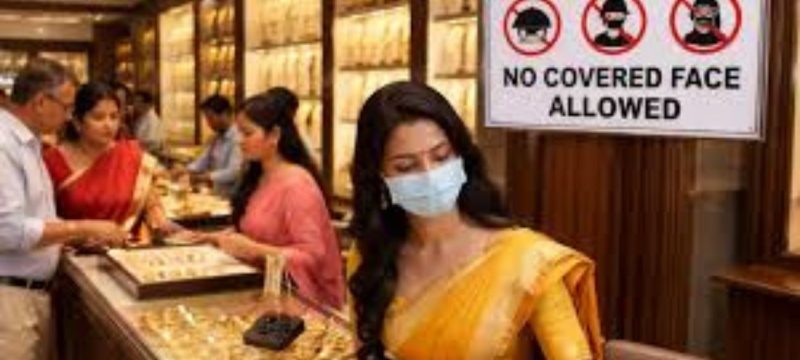
ISLAMABAD – Jewelry shops in Bihar have been instructed not to sell gold to women wearing hijabs, niqabs, or other face-covering apparel. The All India Jewellers and Gold Federation (AIJGF) Bihar said the measure is for “security concerns,” but critics argue it infringes on religious freedom.
Under the new rules, customers covering their faces with a hijab, niqab, scarf, or helmet must temporarily reveal their face to verify their identity before buying gold. Shops are reportedly enforcing this rule strictly, which has led to anger and confusion among affected buyers.
Political leaders have sharply criticized the directive. Rashtriya Janata Dal spokesperson Izzaz Ahmed called it “a blatant violation of the secular principles of the Constitution.” He accused BJP and RSS members of using security as an excuse to target religious practices, warning it undermines freedom of religion.
Critics argue that the rule disproportionately affects Muslim women and limits their constitutional rights. Meanwhile, supporters insist it is necessary for safety when buying gold. The debate has sparked nationwide discussion, with social and political circles divided over the issue.
The new rules for buying gold require identity verification before completing transactions. Many women have expressed discomfort, saying the policy singles out certain religious practices while ignoring other safety measures. AIJGF Bihar maintains that the regulation is standard procedure to prevent fraud and theft in gold transactions.
Analysts say this controversy highlights the tension between security protocols and personal freedoms. The focus on buying gold has drawn attention to how routine transactions can become flashpoints for larger social debates.
In other news read more about Gold Price Hits Rs356,800 per Tola in Pakistan Amid Global Buying Rally
With protests and discussions ongoing, the situation remains tense. Citizens continue to debate whether safety measures justify restrictions on religious expression. The outcome of this controversy may influence future policies regarding buying gold and other high-value items.