


Scientists have identified a possible early warning sign of Alzheimer’s disease in the brain. The discovery could help doctors diagnose the condition sooner and more easily.
Researchers from Nanyang Technological University in Singapore led the study. They focused on the brain’s natural waste removal system. This system uses fluid to clear harmful waste from brain tissue.
The drainage system works through small spaces around blood vessels. These spaces are called perivascular spaces. They help cerebrospinal fluid flush out toxins from the brain.
The study found that this process can fail under certain conditions. Arterial stiffness and high blood pressure can block normal drainage. When waste builds up, the perivascular spaces begin to expand.
These enlarged spaces are known as EPVS. Researchers observed that EPVS appear more often in people with early signs of Alzheimer’s. This suggests they may be an early marker of the disease.
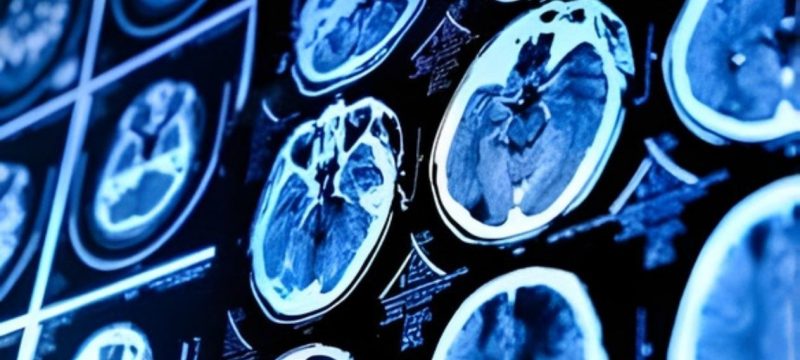
Associate Professor Ngendaran Kandiah led the research team. He said EPVS can be seen using standard MRI scans. These scans are already used to check memory and thinking problems.
He explained that EPVS detection does not need new tests. It also does not add extra costs. This makes it a practical tool for early screening.
Co-author Justin Ong stressed the value of early diagnosis. He said early detection allows timely treatment. This may slow memory loss and mood changes.
To confirm the findings, researchers studied 979 people in Singapore. Some had mild cognitive impairment. Others showed no cognitive issues.
MRI results showed a clear pattern. People with mild cognitive impairment had more EPVS. They also showed signs linked to Alzheimer’s progression.
The team examined seven known Alzheimer’s biomarkers. Four were more common in people with EPVS. These included amyloid plaques and tau tangles.
White matter damage was also studied. It is often used to assess dementia. However, EPVS showed a stronger early link to Alzheimer’s markers.
The research included participants from different ethnic groups. This filled a gap in earlier studies. Many past studies focused mainly on Western populations.
Professor Kandiah noted genetic differences across regions. A major risk gene is less common in Singapore. This highlights the need for local research.
The team will continue tracking participants. They aim to see who develops Alzheimer’s over time. This may confirm EPVS as a reliable early warning sign.
In other news read more about Study Reveals That a Blood Test For Alzheimer’s Detects 90% Of Early Dementia Cases
Experts say MRI scans could play a bigger role. Earlier diagnosis may help delay severe symptoms. This could improve quality of life for many patients.