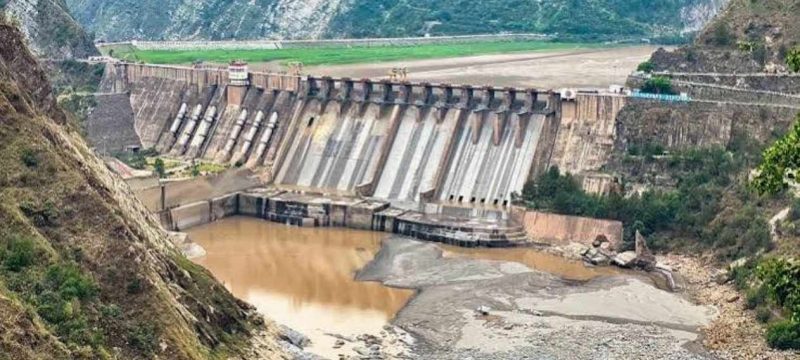
WASHINGTON: Deputy Prime Minister Ishaq Dar has warned against any attempt to deprive Pakistan of its water rights.
He said the Indus Waters Treaty has supported peace and stability in South Asia. Any disruption could have serious regional security consequences.
Dar made the remarks while speaking virtually at a seminar in Washington. The event focused on the future of the Indus Waters Treaty.
The seminar was titled “The Indus Waters Treaty: South Asian Security at the Crossroads.” The Embassy of Pakistan in Washington organized the event.
Dar said the treaty does not allow either country to suspend it unilaterally. He also rejected attempts to place the agreement in abeyance through political declarations.
According to Dar, international legal obligations cannot be ended through unilateral action. He said Pakistan remains committed to resolving water-related issues peacefully.
However, he stressed that Pakistan would protect its water rights. He described the treaty as more than an agreement over water resources.
Dar said the treaty provides a legal system for managing a shared and vital resource. He also called it an important foundation for regional stability.
The Indus Water framework has remained central to relations between Pakistan and India. The treaty was signed by both countries in 1960.
The World Bank facilitated negotiations before the agreement was finalized. It established rules for managing the waters of the Indus Basin.
The treaty also created the Permanent Indus Commission. This body provides a platform for both countries to discuss water-related matters.
It also includes several mechanisms for resolving disagreements. These include government-level discussions and proceedings through a Neutral Expert.
In certain situations, disputes can also be taken to a Court of Arbitration. These mechanisms were designed to address differences under the treaty framework.
Dar said shared water resources should not be used as a political weapon. He also warned against using water supplies to exert political pressure.
He referred to recent arbitration proceedings involving treaty-related disputes. According to Dar, these proceedings reinforced the importance of treaty-based mechanisms.
He said non-participation cannot defeat established treaty processes. Unilateral claims also cannot replace the procedures provided under the agreement.
Recent decisions have also clarified limits on projects involving the western rivers. These rivers are governed by specific provisions under the treaty.
The Indus Water issue remains sensitive because Pakistan depends heavily on the Indus Basin. Any major disruption could have wider economic and security implications.
Dar reiterated Pakistan’s commitment to peaceful dispute resolution. At the same time, he emphasized the country’s determination to safeguard its treaty rights.
In other news read more about Pakistan Welcomes Court Clarification On Indus Water Treaty Dispute
He said respect for international agreements remains important for regional stability. The future handling of the treaty could therefore affect broader relations in South Asia.