

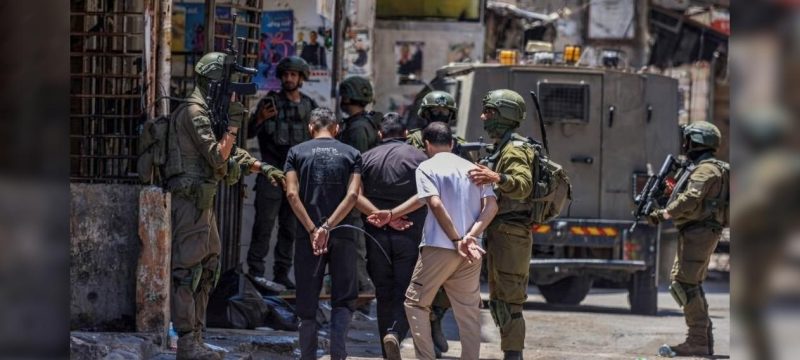
Israeli forces carried out raids across the occupied West Bank, arresting dozens of Palestinians over several days. Reports indicate that many of those detained were also assaulted during the operations.
In Hebron governorate, twelve Palestinians, including two women, were arrested. During a raid on Fawwar camp, men from three generations of one family were reportedly assaulted. Three other Palestinians were beaten in a separate operation south of Hebron.
In the village of Amatin, east of Qalqilya, ten Palestinians were detained. Additional arrests included three Palestinians in Bethlehem governorate and two in a dawn raid on the Aqbat Jabr refugee camp, located south of Jericho.
Israeli forces also conducted raids in the villages of Madama and Burin, south of Nablus. Following these operations, schools in the area were suspended for the day to ensure the safety of students and staff.
According to the Palestinian Prisoner’s Society, Israeli forces have arrested and carried out field interrogations of at least 130 Palestinians across the West Bank since Tuesday night. Most of those detained were later released.
The Society described the actions as collective punitive measures, noting that the frequency of arrests and interrogations has increased since the start of the year. These raids have heightened tensions in the region, with many Palestinians expressing concern over safety and human rights violations.
The recent operations come amid ongoing tensions in the West Bank, where Israeli security forces regularly conduct raids targeting Palestinians suspected of involvement in attacks or unrest. Human rights organizations have repeatedly called for restraint and adherence to international law in such operations.
In other news read more about: Taliban Official Labels Trump an ‘Economic Warlord,’ Says He Disrupted Global Order
The arrests and assaults have drawn attention to the challenging conditions faced by Palestinians living under occupation. Families affected by the raids emphasized the physical and emotional toll of the operations, highlighting the impact on daily life and community safety.