

Iran has appointed Mojtaba Khamenei as the country’s new Supreme Leader following the death of his father, Ali Khamenei. The late leader was reportedly killed earlier this month during U.S. and Israeli air strikes on Tehran.
The announcement was made shortly after midnight by the Assembly of Experts. This 88-member clerical body is responsible for choosing Iran’s highest authority. In an official statement, the council said it had selected Mojtaba Khamenei by a decisive vote.
With this decision, Mojtaba becomes the third Supreme Leader of the Islamic Republic of Iran. The role places him at the center of the country’s political, military, and religious system. As Supreme Leader, Mojtaba Khamenei now holds ultimate authority over Iran’s government, armed forces, and major state institutions.
The appointment comes at a time of intense regional tension. Iran’s ambassador to the United Nations said that recent military operations killed at least 1,332 Iranian civilians. Thousands more were injured during the conflict.
The clashes have also caused American casualties. U.S. military officials confirmed that a seventh American service member died from injuries linked to Iranian retaliatory strikes. The announcement followed a ceremony where former U.S. President Donald Trump oversaw the return of six other American personnel killed in the attacks.
Despite calls from international leaders for calm, Iran’s parliamentary speaker Mohammad Bagher Qalibaf said Tehran is not seeking a ceasefire. He stated that Iran will continue responding to what it calls foreign aggression.
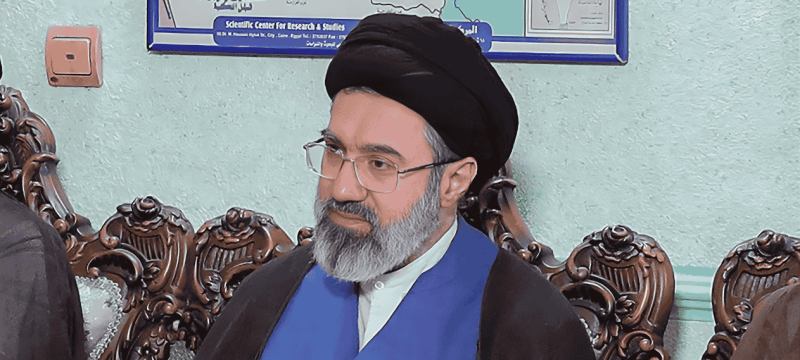
Mojtaba Khamenei has lived most of his life away from the public spotlight. The 56-year-old cleric has never held a formal government position. He rarely appears in public and has given very few speeches or interviews.
However, many analysts believe he held significant influence behind the scenes during his father’s leadership. Born in 1969, Mojtaba is the second of Ali Khamenei’s six children. He studied at Tehran’s Alavi School before briefly serving in the military during the Iran–Iraq War.
Later, he moved to the religious city of Qom to continue theological studies. He entered the seminary around the age of 30 and began wearing clerical attire at that time.
His name first gained political attention during Iran’s 2005 presidential election. Reformist candidate Mehdi Karroubi accused him of influencing the vote in support of Mahmoud Ahmadinejad.
With the new leadership in place, observers say Mojtaba Khamenei now faces the challenge of guiding Iran through one of the most volatile periods in its modern history.
In other news read more about: Mojtaba Khamenei Named Iran’s New Supreme Leader After His Father’s Death