


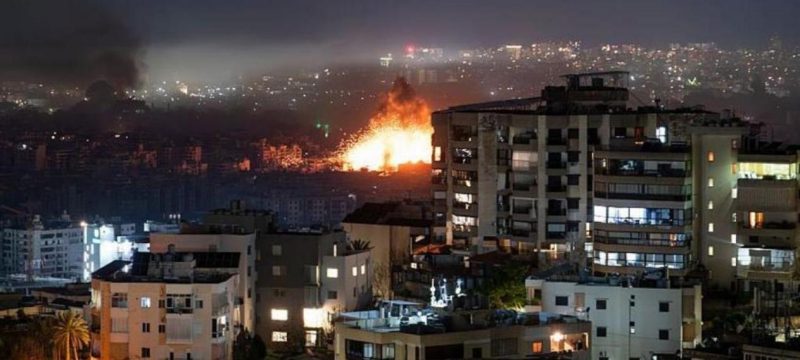
The ongoing conflict in the Middle East escalated further as US-Israel strikes killed at least four civilians, including two teenagers in Shiraz, Iran, and two people in Abu Dhabi. The military campaign, now nearing four weeks, has spread to multiple cities, raising concerns over regional instability.
In Shiraz, the victims, identified as Ilya and Amir Hossein Sharafi, were hit when US-Israel strikes targeted a residential area. Hours later, Israeli forces launched “extensive strikes” on Isfahan, marking a significant escalation. Iranian media also reported attacks in Bandar Abbas, Karaj, Lamerd Airport, Mashhad, and Taybad.
The humanitarian impact extended to Gulf countries. UAE authorities confirmed two deaths in Abu Dhabi after debris from intercepted missiles fell on a main road. Saudi Arabia intercepted 17 drones, shooting down five more aimed at its Eastern Province. Kuwait and Bahrain also reported intercepting Iranian attacks, preventing casualties.
Iran retaliated by launching missile barrages on central Israel. Sirens sounded across Jerusalem, the West Bank, and Tel Aviv suburbs, with at least three people injured in Kfar Qasim. Medics later reported six additional minor injuries. Iran claims its strikes are targeting US-linked assets in the region.
Despite the escalation, US President Donald Trump claimed a deal to end the war is near, stating Iran wants negotiations. Iranian Foreign Minister Abbas Araghchi denied direct talks, confirming only indirect communication through “friendly countries.” Tehran has rejected a 15-point US peace plan, offering five conditions for an end to hostilities.
US military officials reported that US-Israel strikes have destroyed over two-thirds of Iran’s military production facilities. Admiral Brad Cooper said 92% of Iran’s largest naval vessels have been damaged, and missile and drone attacks have dropped by 90%, giving the coalition air superiority.
In other news read more about Missile Attacks From Iran Leave 2 Wounded in Central Israel
The conflict continues to disrupt global markets, especially around the Strait of Hormuz, affecting oil and gas flows. Uncertainty over the ongoing US-Israel strikes has kept crude prices elevated while equity markets remain volatile.