


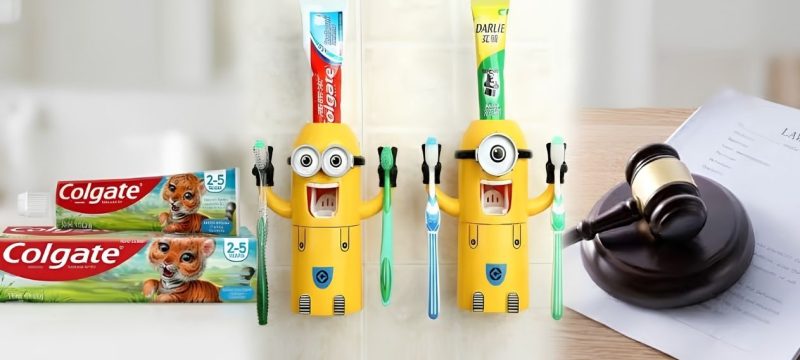
Global consumer products company Colgate-Palmolive is facing legal challenges in the United States over the marketing of its children’s mouthwash products. The controversy centers around claims that the company’s branding may mislead parents about the safe use of fluoride mouthwash for young children.
The lawsuits focus on products sold under the Colgate brand, including Bubble Fruit and Silly Strawberry mouthwash. Plaintiffs argue that the packaging strongly highlights words such as “kids” and “children’s,” which may create the impression that the products are suitable for all children regardless of age.
According to health guidelines, fluoride mouth rinses are generally not recommended for children under the age of six. Medical experts often advise that younger children between two and six years old should only use a small pea-sized amount of toothpaste due to the risk of swallowing fluoride.
The legal case recently moved forward after a federal judge in Chicago allowed the lawsuit to continue. The judge stated that the front-label marketing used by Colgate could potentially overshadow safety warnings printed elsewhere on the packaging.
Court documents indicate that the judge rejected the company’s argument that consumers should carefully read warning labels on the back of the product. Instead, the ruling suggested that front-of-pack branding plays a much stronger role in influencing purchasing decisions.
The case has added to growing legal and public scrutiny surrounding product labeling practices involving children’s health and safety. Experts say courts are increasingly examining whether companies provide clear and balanced safety information on consumer products.
The controversy involving Colgate is not an isolated case. Similar legal complaints have also targeted major companies including Procter & Gamble, Perrigo, and Sanofi over the marketing of fluoride products aimed at children.
So far, there has been no official confirmation regarding possible packaging changes in Pakistan or other Asian markets. Questions still remain about whether international labeling standards may eventually be revised.
In recent years, Colgate and its subsidiary Tom’s of Maine have also faced several legal disputes and regulatory concerns linked to oral care products. Some cases involved claims related to “natural” marketing, whitening effectiveness, and product safety.
The company has denied wrongdoing in previous cases and settled some lawsuits without admitting liability. Past complaints also accused the brand of making misleading claims about naturally sourced ingredients and product effectiveness.
Consumer class action lawsuits involving oral care products continue to increase globally. Industry analysts believe companies may face greater pressure to provide clearer labeling and stronger warnings, especially for products marketed toward children.
In other news read more about: WHO Issues Red Alert Over Rising Hantavirus Cases in Multiple Countries
The latest legal battle highlights wider concerns about how children’s products are promoted and how safety information is communicated to consumers.