

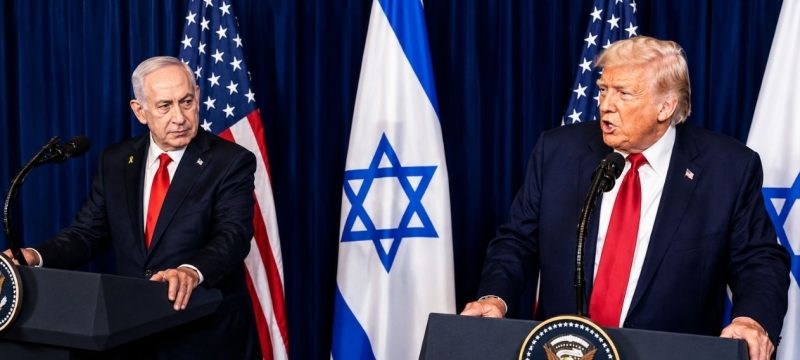
Israeli Prime Minister Benjamin Netanyahu has said he wants Israel to gradually reduce its dependence on US Military financial assistance over the next decade. His remarks came during an interview aired on CBS News’ “60 Minutes” on Sunday.
Netanyahu stated that Israel currently receives around $3.8 billion annually in US Military aid. Under an existing agreement, the United States committed to providing Israel with $38 billion in military assistance between 2018 and 2028.
During the interview, Netanyahu said he believes the time has come to reconsider the long-standing financial arrangement between the two allies. He explained that he wants to begin reducing the financial component of military cooperation as soon as possible.
“I don’t want to wait for the next Congress,” Netanyahu said while discussing future ties with Washington. He added that Israel should start preparing for a more independent defense structure.
For decades, support for US Military assistance to Israel received backing from both major American political parties. However, public opinion in the United States has shifted since the Gaza conflict began in October 2023.
According to a Pew Research survey conducted in March, 60 percent of American adults now hold an unfavorable view of Israel. The survey also showed that 59 percent of respondents had little or no confidence in Netanyahu regarding global affairs.
Netanyahu linked the changing public opinion to the rapid growth of social media platforms. He claimed that several unnamed countries had manipulated online platforms in ways that damaged Israel’s image internationally. Despite this, he said he does not support censorship.
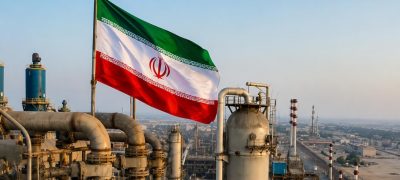
The interview also focused on rising tensions involving Iran. Netanyahu declined to reveal details about Israel’s military plans or timeline regarding the ongoing conflict with Tehran.
He acknowledged that Israeli planners initially underestimated Iran’s ability to disrupt global oil shipments through the Strait of Hormuz. Around 20 percent of the world’s oil supply normally passes through the route.
The ongoing conflict has also affected the United States economy. Higher fuel prices contributed to increased inflation in recent months. Analysts say disruptions linked to the regional conflict played a role in the rise in gasoline costs.
Netanyahu also discussed the possible impact of political change in Iran. He argued that weakening Iran’s leadership could affect groups such as Hezbollah, Hamas, and the Houthis, which Israel considers Iranian-backed organizations.
In other news read more about: US President Trump Declares First Ever Russia-Ukraine Ceasefire in 4 Years
When asked whether the Iranian government could be overthrown, Netanyahu said it was possible but not guaranteed.