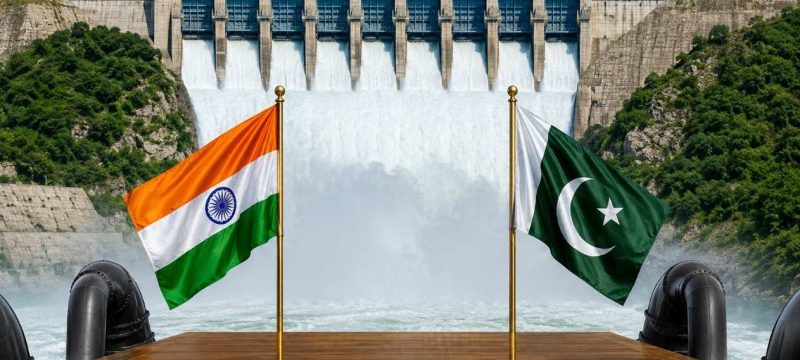
Pakistan has expressed full satisfaction over a recent international arbitration court ruling. The decision relates to the longstanding Indus Waters Treaty between Pakistan and India. The government says the ruling strongly supports Pakistan’s position.
What Is the Ruling About?
The arbitration court issued a supplementary decision on 15 May 2026. It addressed the “maximum pondage” issue under the Indus Waters Treaty. The disputes involve the design of two Indian hydroelectric projects — the Ratle and Kishanganga plants.
Pakistan said the ruling confirms its core stance. The treaty places clear and real limits on India’s ability to control water flow on western rivers. These limits apply at the planning and design stage, not just during operations.
Key Points From the Decision
The court made several important clarifications. For any run-of-the-river project, pondage justification must be based on genuine design needs. It must also reflect actual hydrological conditions, power system requirements, and treaty-mandated data.
India cannot use hypothetical generation figures or artificial load assumptions to justify increased pondage. Unrealistic peaking models are also not acceptable under the Indus Waters Treaty. Mere assurances under paragraph 15 are not enough to replace proper evidence.
India Must Share Information
The ruling also strengthens Pakistan’s right to review compliance. India is required to provide sufficient data and information for verification. If India fails to do so, it cannot prove its proposed pondage meets treaty requirements under Annexure D, paragraph 8(c).
Pakistan’s government welcomed this aspect of the decision. It said transparency and data sharing are essential for treaty compliance. The ruling makes this a legal obligation, not just a request.
Background: The August 2025 Award
This latest decision builds on an earlier ruling from 8 August 2025. That “General Issues Award” established that installed capacity must align with actual expected operation. Expected load must also reflect real power system needs, not inflated projections.
The new ruling gives practical effect to those principles. It ensures that compliance under the Indus Waters Treaty is based on real data and honest reporting.
Minimum Flow Obligations
The court also addressed minimum flow requirements. Where a minimum flow obligation exists and is not met through other means, it must be included in pondage calculations. Discharge conditions under paragraph 15 do not automatically satisfy such requirements.
This is a significant clarification for future disputes over water management.
In other news read more about: Oil Prices Surge to $110.63 Per Barrel Amid Rising Regional Tensions
Pakistan’s Official Statement
Pakistan’s government said it is fully satisfied with the outcome. It called the ruling a validation of its long-held legal position. Officials believe the decision will help ensure fair and transparent implementation of the treaty going forward.
The government has not announced any further legal steps at this stage. It is expected to monitor India’s response and compliance closely in the coming months.