

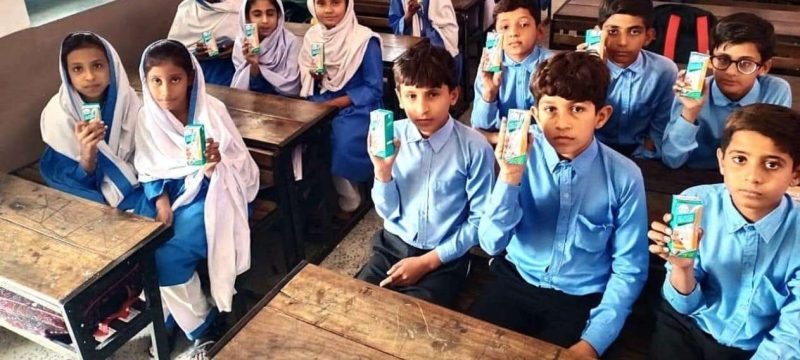
Balochistan Launches a new school meal program worth Rs. 1.58 billion to improve child nutrition and health in Quetta. The project is aimed at primary school students and will begin as a pilot program.
The provincial government says the initiative is part of its larger plan to address nutrition problems and improve public health in underserved areas.
Official documents show the school meal project has a total cost of Rs. 1.579 billion. Out of this amount, Rs. 315.9 million has been allocated for the current fiscal year.
Balochistan Launches this program as part of a broader development strategy focused on child health, maternal care, school nutrition, and sanitation.
Officials said the school meal project will help improve the health of young students. It is also expected to support better school attendance and learning outcomes.
Alongside this scheme, the government is also running several other health-related projects.
A Comprehensive Maternal and Child Health Program is also under way in the province. This project is worth Rs. 2 billion, with Rs. 228.8 million allocated for the current year.
Another important project focuses on WASH facilities in schools. WASH stands for water, sanitation, and hygiene. This program also has a total cost of Rs. 2 billion, with Rs. 200 million set aside in the latest budget.
In addition, a Maternal, Newborn, and Child Health facility has been established at Eastern Bypass Quetta. This project has a total cost of Rs. 400 million, with Rs. 200 million allocated so far.
Balochistan Launches these projects as part of its wider goal to improve nutrition and healthcare services across the province.
Government officials say maternal and child health remain key priorities. They added that school support programs and sanitation infrastructure are essential for long-term development.
In other news read more about Balochistan Government Declares Public Holiday for Ashura Observance
These efforts are expected to strengthen health outcomes for children and mothers across Balochistan, especially in areas with limited access to basic services.