

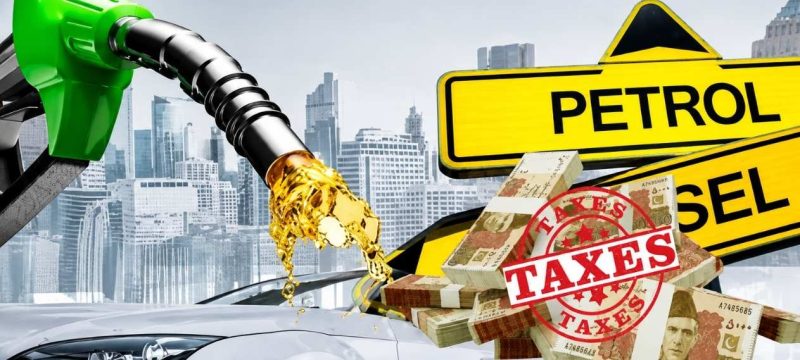
The federal government has increased the Petrol Levy despite keeping petrol and diesel prices unchanged in its latest fortnightly fuel price announcement. The decision came even as global oil prices continued to decline, disappointing consumers who had expected lower fuel costs.
On Friday, the government announced that petrol and high-speed diesel prices would remain unchanged. However, it quietly raised the Petrol Levy on key fuel products, a move expected to generate additional revenue for the national exchequer.
According to the latest notification, the levy on high-speed diesel has increased by Rs6.57 per litre. This takes the total levy from Rs72.97 to Rs79.54 per litre.
The Petrol Levy on petrol has also been raised by 39 paisas per litre. The rate increased from Rs66.25 to Rs66.64 per litre.
Meanwhile, the levy on kerosene oil remains unchanged at Rs20.36 per litre. The levy on light diesel oil also stays the same at Rs15.84 per litre.
The government’s decision has attracted attention because it comes during a period of falling international oil prices. Many consumers had expected the reduction in global crude prices to result in lower fuel prices across Pakistan.
International market data shows that petrol prices dropped significantly over the past few days. The global petrol price declined from US$98.35 per barrel on June 22 to US$91.68 per barrel on June 26. This represents a decrease of US$6.67 per barrel in just four days.
High-speed diesel also recorded a notable decline in global markets. The price fell from US$109.09 per barrel to US$104.79 per barrel during the same period, a reduction of US$4.30 per barrel.
Despite these international declines, the government chose not to reduce domestic fuel prices. Instead, it increased the levy while maintaining existing retail rates for consumers.
The decision has sparked criticism from consumers, many of whom believe the benefit of lower global oil prices should have been passed on to the public. Rising transportation and living costs have already placed pressure on household budgets.
Pakistan’s oil industry has also expressed concerns over government pricing decisions. Industry representatives claim previous pricing adjustments caused losses of around Rs105 billion for refineries and oil marketing companies, forcing them to absorb significant costs.
In other news read more about: Petrol Prices May Fall Further as Global Oil Rates Decline, Says Rana Sanaullah
Market experts say future fuel prices will largely depend on international oil market trends and government fiscal policy. If global prices continue to decline, consumers will closely watch whether future announcements provide direct relief or whether higher levies continue to offset potential price reductions.