

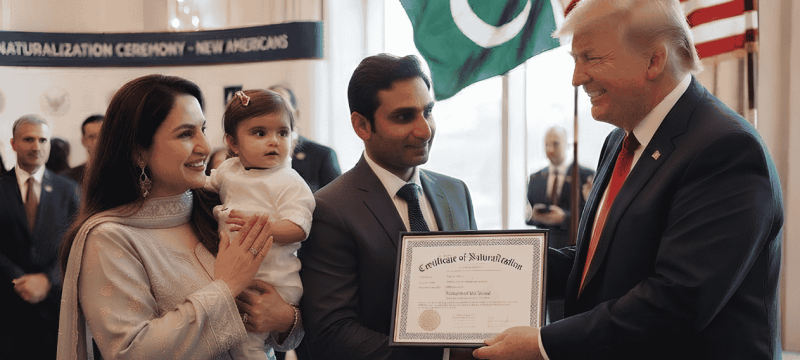
Children born in the United States, including those born to Pakistani parents, will continue to receive automatic U.S. citizenship following a decision by the Supreme Court of the United States. The ruling maintains the long-standing principle of birthright citizenship under the U.S. Constitution.
The court rejected an executive order issued by former President Donald Trump that sought to limit birthright citizenship for certain children born in the country. As a result, eligible children will continue to receive automatic citizenship at birth under existing constitutional protections.
The decision has attracted international attention because it affects families from many countries, including Pakistan. Thousands of Pakistani citizens live, work, or study in the United States, and many have children who are born there.
Birthright citizenship has been a key part of U.S. constitutional law for more than a century. It is based on the Citizenship Clause of the Fourteenth Amendment, which grants citizenship to most individuals born on American soil.
The Supreme Court’s ruling means that children born in the United States will continue to receive automatic citizenship regardless of their parents’ nationality, subject to the constitutional framework already in place.
The executive order challenged this long-standing interpretation and aimed to narrow eligibility for citizenship at birth. However, the court did not allow those proposed restrictions to take effect.
Legal experts say the decision preserves an established constitutional principle that has guided citizenship laws for generations. They noted that any major change to birthright citizenship would likely require constitutional or legislative action.
The ruling also provides clarity for immigrant families who were uncertain about the future of the policy. Many families had closely followed the legal proceedings because of the potential impact on their children.
For Pakistani families living in the United States, the judgment confirms that eligible children born in the country will continue to receive automatic U.S. citizenship under existing law.
Immigration and legal analysts said the decision reinforces the importance of constitutional protections in determining citizenship rights. They also emphasized that the ruling applies within the current legal framework.
The case became one of the most closely watched legal disputes involving immigration and constitutional rights. It sparked widespread debate among legal experts, policymakers, and advocacy groups.
Supporters of birthright citizenship welcomed the decision, saying it preserves legal certainty and protects a long-established constitutional guarantee. Others argued that any changes to citizenship rules should be addressed through Congress rather than executive action.
The Supreme Court’s decision ensures that the current interpretation of birthright citizenship remains unchanged. Families affected by the issue can now rely on the existing legal framework while any future policy debates continue through the appropriate constitutional process.
The ruling marks another significant moment in the ongoing discussion about immigration and citizenship in the United States, while confirming that eligible children born on U.S. soil will continue to receive the rights provided under the Constitution.
In other news read more about: Pakistan Tightens Citizenship Rules With New Residency Requirement