


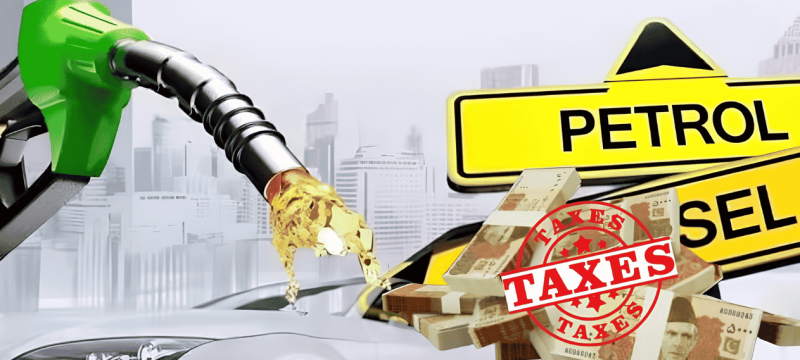
The federal government has increased the petroleum levy on petrol while providing only a small reduction in fuel prices, limiting the relief expected by consumers despite lower international oil prices.
In the latest review of petroleum product prices, the government increased the petroleum levy on petrol by Rs6.22 per litre. Following the revision, the total levy on petrol now stands at Rs70.36 per litre.
The decision came at a time when global crude oil prices have shown a downward trend. Many consumers had expected a larger reduction in domestic fuel prices because of easing international market rates.
Instead, motorists received only a Rs2 per litre cut in petrol prices. At the same time, the government increased its revenue collection by raising the petroleum levy.
Officials said the revised pricing structure reflects changes in the government’s tax policy on petroleum products. The adjustment allows authorities to collect more revenue while keeping fuel price reductions limited.
In contrast, the petroleum levy on high-speed diesel (HSD) was reduced by Rs6.22 per litre. After the revision, the levy on diesel now stands at Rs70.82 per litre.
The government did not make any changes to the petroleum levy on kerosene oil. The levy remains fixed at Rs20.36 per litre.
Similarly, the carbon levy of Rs5 per litre on petroleum products has been retained without any change. Officials have confirmed that this charge continues to apply under the current pricing framework.
The latest revision has raised fresh questions about the government’s fuel pricing policy. Consumers have expressed concerns that falling international oil prices are not being fully reflected in domestic fuel rates.
Economic analysts note that petroleum levies remain an important source of revenue for the federal government. Changes in these levies can significantly affect the final price consumers pay at fuel stations.
Many motorists had hoped for greater savings after international oil prices declined in recent weeks. However, the higher levy has reduced the overall benefit passed on to consumers.
The government maintains that petroleum taxation plays a key role in meeting fiscal targets and supporting public finances. Revenue generated through fuel levies contributes to government spending and budget requirements.
Industry observers say domestic fuel prices are influenced by several factors. These include global oil prices, exchange rates, taxes, transportation costs, and government levies.
Consumers continue to monitor fuel price announcements closely because changes directly affect transportation expenses and household budgets. Businesses also watch fuel prices due to their impact on operating costs.
The latest adjustment means the burden on petrol users remains relatively high despite softer international oil prices. Analysts believe future revisions will depend on movements in global crude markets and government fiscal priorities.
For now, the petroleum levy has increased on petrol, while the reduction in pump prices remains limited. Consumers will continue watching upcoming fuel price reviews for any larger relief if international oil prices continue to decline.
In other news read more about: Fuel Prices Rise Across Pakistan After Petrol Levy increase