


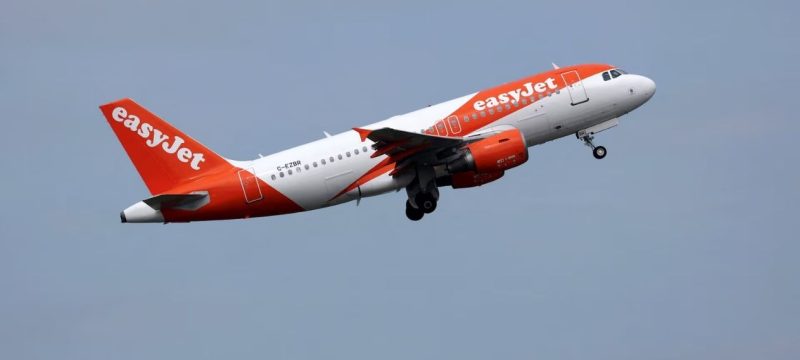
The ongoing Iran war is creating new financial challenges for European airlines. Rising fuel prices and continued uncertainty in the Middle East are increasing pressure on carriers that are already dealing with thin profit margins and post-pandemic recovery.
Industry experts and investors believe the current market conditions could lead to major changes in Europe’s airline sector. Some financially weaker airlines may face restructuring, mergers, buyouts, or even bankruptcy if fuel prices remain high.
The Iran war has pushed global oil prices higher after renewed conflict in the Gulf disrupted energy markets. Airlines are among the industries most affected because fuel is one of their largest operating costs.
According to industry analysts, several European carriers are already facing financial difficulties. British low-cost airline easyJet is reportedly close to a US-led takeover that could take the company private at a value much lower than before the COVID-19 pandemic.
Meanwhile, Latvia’s airBaltic is seeking short-term financing to avoid financial trouble. Norwegian carrier Norse Atlantic has also started a strategic review as it looks for ways to strengthen its business.
Financial advisory firm Interpath said it is currently working with several large European airlines on restructuring plans. This reflects growing concerns about the financial health of airlines across the region.
The airline industry had shown signs of recovery after the pandemic. However, the Iran war has added fresh pressure by driving up fuel prices and increasing operating costs.
Last month, the global airline industry almost halved its profit forecast for 2026. Industry leaders said rising fuel costs, disrupted flight routes, and continued regional tensions were among the main reasons for the weaker outlook.
Analysts believe many airlines are now becoming more cautious about expansion plans. Aircraft manufacturer Airbus has also reduced its 20-year passenger aircraft demand forecast, citing geopolitical uncertainty and weaker market conditions.
Experts say most airlines in Europe, the United States, and Southeast Asia are planning only modest growth. Many companies are avoiding rapid expansion until fuel prices become more stable.
Jet fuel can account for more than one-third of an airline’s total operating costs when oil prices are high. Although fuel prices have stabilized slightly in recent weeks, uncertainty in the Middle East continues to worry investors.
Industry observers warn that smaller airlines face the greatest risk. Many carriers depend heavily on strong summer travel demand to generate enough cash for the quieter winter season.
Analysts say airlines may manage through the busy summer months. However, they expect greater financial challenges early next year if booking levels decline and fuel costs remain elevated.
Several airlines are already being viewed as possible takeover targets. Poland’s LOT has long been linked with industry consolidation, while investors have raised concerns about airBaltic’s financial position. Norse Atlantic’s share price has also fallen sharply since its stock market debut.
The International Air Transport Association (IATA) has also warned that some airlines may not survive if fuel prices stay high. Industry officials believe stronger carriers could acquire weaker competitors as consolidation increases across the sector.
In other news read more about Pakistan Sees Potential Improvement in 2027 Economic Outlook After Iran War Ends
The continuing Iran war has become another major challenge for the aviation industry. Airlines are closely monitoring fuel prices, regional security, and passenger demand as they prepare for another uncertain year in global aviation.