


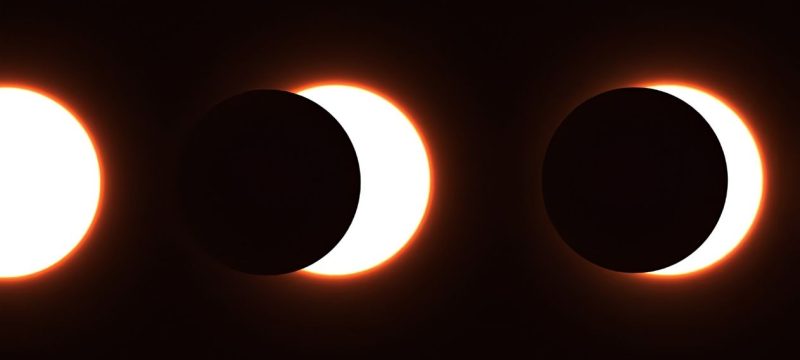
Skywatchers across Britain are preparing for a rare UK solar eclipse on Wednesday, August 12. The Moon will pass between Earth and the Sun during daylight hours.
The event will create the deepest partial solar eclipse seen across the UK in almost three decades. Several areas will experience a significant drop in sunlight.
A total solar eclipse will be visible in parts of northern Spain, Iceland, Greenland, and Portugal. However, the UK will experience a partial eclipse.
Dr. Megan Argo, an astrophysics expert at the University of Lancashire, identified western areas as the best viewing locations. People in Cornwall, Devon, Plymouth, and Western Pembrokeshire could see around 97 percent coverage.
Other parts of Britain will also experience substantial solar coverage. London residents could see around 91 percent of the Sun blocked.
Even the easternmost areas of the UK are expected to see at least 88 percent coverage. This means much of the country can witness the unusual daytime event.
UK Eclipse Will Be Rare
The upcoming UK solar eclipse is considered a particularly rare astronomical event. Britain will not experience similar daytime darkness again until 2081.
A total solar eclipse will take even longer to return. The next total eclipse visible from Britain is not expected until 2090.
Since the Sun will remain partly visible, experts have urged people to protect their eyes. Special eclipse glasses should be used during the event.
Experts recommend glasses that meet the ISO 12312-2:2015 safety standard. Regular sunglasses are not suitable for viewing the partially eclipsed Sun.
People should also avoid using damaged eclipse glasses. Scratches, holes, or other damage can reduce their protective ability.
Those planning to photograph the eclipse need additional protection. Special solar filters should be used with cameras and telescopes.
Perseid Meteor Shower to Peak
The astronomical activity will continue after sunset. The Perseid meteor shower is expected to reach its annual peak shortly afterward.
Early Thursday morning, Earth will move through a dense stream of space debris. This will create favorable conditions for meteor activity.
Eclipse expert and author Jamie Carter said viewers could see up to 50 meteors per hour. The best viewing time could be around 2 a.m.
Dark locations away from city lights will offer the clearest views. Rural areas are expected to provide better conditions for watching meteors.
The combination of the UK solar eclipse and the Perseid meteor shower could make Wednesday special. Astronomy enthusiasts will have opportunities to observe two major sky events within hours.
In other news read more about ‘Ring of Fire’: First Solar Eclipse of 2026 Happens Today
Skywatchers are therefore encouraged to plan their viewing locations carefully. They should also follow proper eye safety measures during the eclipse.