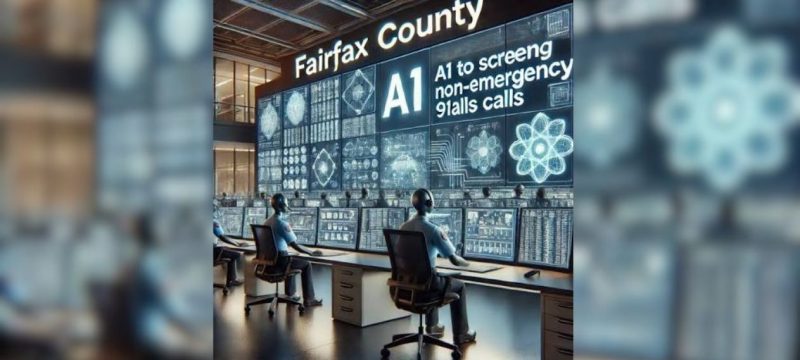
NEW ORLEANS: The United States is preparing to introduce new AI technology for emergency 911 calls.
The system will be introduced in New Orleans to help manage the high volume of calls.
Human operators currently handle a large number of emergency and non-emergency requests.
Officials are exploring technology that could reduce pressure on emergency dispatchers.
The Orleans Parish Communication District (OPCD) has already introduced an AI system for 311 non-emergency calls.
The 311 service handles requests that do not require an immediate emergency response.
According to GovTech, around 50% of 311 callers seek information the system already knows.
This suggests that automated systems could handle many routine requests without human assistance.
OPCD is now assessing another tool for emergency call management.
The system is designed to assist with call triage rather than manage live crisis situations.
It analyzes incoming calls and helps direct them to the appropriate destination.
Under the proposed system, callers would first interact with an automated AI agent.
The agent would ask questions about the reason for the call.
It would collect important details and determine where the call should be directed.
If the system cannot gather the required information, human assistance would remain available.
Key details would then be transferred to a human dispatcher for further action.
The technology could help reduce workloads for emergency communication teams.
It may also improve response times for certain routine requests.
However, the planned use of AI has raised concerns about its reliability.
Automated systems can potentially reflect biases contained within their training data.
Such biases could affect how systems interpret different callers or situations.
Language recognition is another concern surrounding automated emergency call systems.
Some callers may have strong accents or unusual voice pitches.
Rigid language models could potentially struggle to understand their responses correctly.
Any misunderstanding during an emergency could result in important information being missed.
Officials are therefore evaluating the system before wider implementation.
The technology is intended to support human dispatchers rather than completely replace them.
The New Orleans initiative reflects growing interest in using AI for public services.
Emergency agencies are increasingly examining ways to manage growing call volumes.
However, maintaining accuracy and human oversight remains important for emergency communications.
The system’s effectiveness will depend on its ability to identify calls accurately.
In other news read more about Punjab Warns Schools Against Reopening Before August 24
It must also ensure that critical emergencies reach human dispatchers without unnecessary delays.