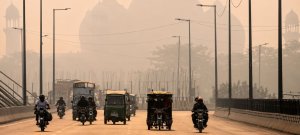
Liquefied petroleum gas (LPG) prices have surged across Pakistan, with open-market rates reportedly reaching Rs630 per kilogram. The sharp difference between official and market prices has raised concerns among households already facing higher living costs.
The Oil and Gas Regulatory Authority (OGRA) has increased the official LPG price for November 2026 to Rs294.08 per kilogram. However, consumers in some areas are reportedly paying considerably more because of supply shortages and distribution problems.
The situation has also raised concerns about the availability of cooking gas as demand increases ahead of winter.
According to OGRA’s latest notification, the LPG producer price has increased to Rs294,075 per tonne for November, compared with Rs279,341 in October.
The revised consumer price is approximately Rs294 per kilogram. The price of a standard 11.8kg domestic cylinder has increased from Rs3,296.23 to Rs3,470.09.
This represents an increase of Rs173.86 per cylinder compared with the previous month.
OGRA linked the adjustment to changes in international energy prices and currency exchange rates. The Saudi Aramco contract price increased by 6.47%, while the average US dollar exchange rate declined slightly by 0.12%. These changes resulted in an increase of approximately Rs14.73 per kilogram.
Despite the official adjustment, the open market is reporting significantly higher rates. LPG is reportedly selling for up to Rs630 per kilogram in some areas, while company-operated franchises are charging as much as Rs400 per kilogram.
These prices are considerably higher than the OGRA-notified rate. The difference has raised concerns about supply availability, market monitoring and possible overcharging.
LPG Distributors Association of Pakistan Chairman Irfan Khokhar has linked the shortage to disruptions along the Iran border. He said around 70% of Pakistan’s LPG supply comes from Iran, while the remaining 30% is produced locally.
The figures reflect the association chairman’s assessment. The reported supply disruption has added pressure to an already challenging market, with distributors urging the government to improve availability and take action against market manipulation.
The LPG shortage has also created uncertainty for businesses that depend on cylinder-based cooking gas. Restaurants, food outlets and small commercial operators could face higher operating costs if market prices remain elevated.
Meanwhile, LPG marketing companies have warned of a possible nationwide shutdown from November 16. Pakistan LPG Marketers Association Chairman Ali Haider said companies could suspend operations if the government moves ahead with a proposed policy that reduces the private sector’s role.
The association has opposed any reversal of the existing deregulation arrangements. It has also raised concerns about the lack of consultation with industry representatives over the proposed policy.
The marketers’ association has reportedly written to Petroleum Minister Ali Pervaiz Malik to explain its objections.
Ali Haider also questioned the country’s LPG import arrangements. He said approximately 225,000 tonnes were imported from Gulf countries out of a reported total of 1.3 million tonnes. He argued that private companies have played an important role in maintaining supplies.
The association further raised questions about petroleum development levy collections under the 2016 LPG policy. It alleged that state-owned companies had not arranged sufficient imports despite funds collected under the policy.
These claims represent the industry’s position. A government response to the specific allegations was not included in the available reports.
The latest LPG price increase and reported supply shortage have added pressure on consumers across Pakistan. Households relying on gas cylinders may continue to face higher expenses if market rates remain above the official level.
In other news read more about: Are You Paying Rs. 10 Extra on Every Electricity Unit Because of Petroleum Levies?
The possibility of a marketing companies’ strike from November 16 has added another concern for the supply outlook. Consumers and businesses will be watching for government measures to improve availability and bring market prices closer to the notified rate.