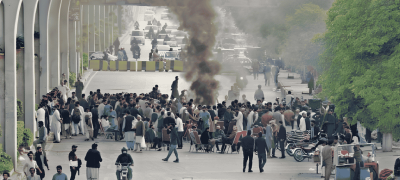


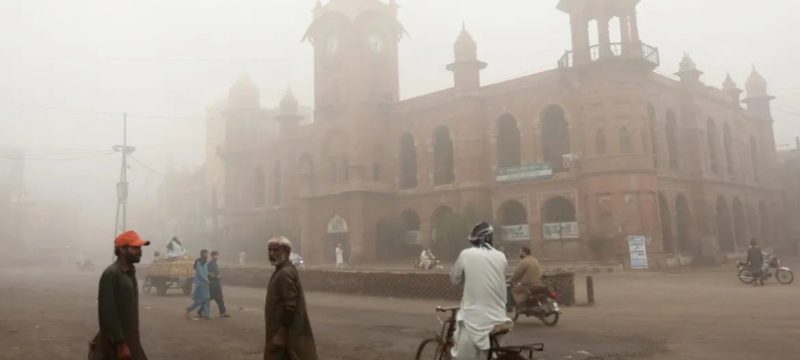
Pakistan continues to face an alarming air pollution crisis, ranking among the most smog-affected nations globally, according to new data. The country’s air quality remains far below the World Health Organization’s (WHO) recommended standards, with dangerously high levels of PM2.5 particulate matter exceeding safe limits by significant margins.
In 2024, Pakistan was ranked within the top five most polluted countries, along with Chad, Bangladesh, the Democratic Republic of Congo, and India. The average concentration of PM2.5 particles was much higher than WHO’s advised safe limit of 5 micrograms per cubic metre. Only 17% of global cities managed to stay within these safe limits last year, highlighting the scope of Pakistan’s pollution problem.
Also Read: Lahore’s Smog Control Tower Deemed Ineffective as Pollution Worsens
This ongoing pollution crisis is especially critical in major cities like Lahore and Karachi, where winter smog and industrial emissions regularly combine to create hazardous air quality. The situation has become more challenging following the US decision to end its air quality monitoring programme in Pakistan, which was previously a key source of real-time pollution data.
Experts have expressed concern over this data gap, with Christi Chester-Schroeder of IQAir stating that the loss of these monitoring stations is a serious blow to efforts in countries like Pakistan, where real-time pollution information is scarce. With climate change exacerbating pollution levels, the need for reliable data and stronger measures to combat air pollution is more urgent than ever.