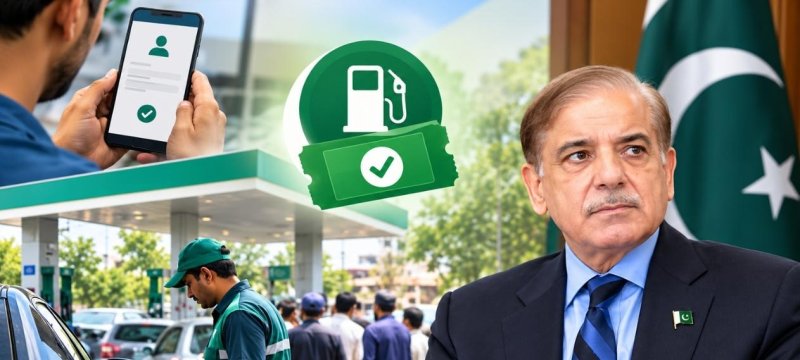
The International Monetary Fund (IMF) has asked Pakistan to phase out its broad fuel support scheme. The Fund wants future assistance to focus on targeted beneficiaries.
The IMF also said fuel support should remain available for a limited period. The demand came after Pakistan and the Fund reached a staff-level agreement.
The agreement covers Pakistan’s latest economic review under its ongoing programme. It could unlock around $1.21 billion in financing for the country.
However, the funds will only be released after approval by the IMF Executive Board. The staff-level agreement is therefore an important step, but not the final approval.
According to the IMF assessment, Pakistan’s current fuel support scheme has a high fiscal cost. Its broad coverage is a major reason behind the financial burden.
The Fund has called for the programme to be phased out quickly. It also stressed that Pakistan should not expand the existing scheme.
However, the IMF has allowed limited support under certain conditions. Pakistan could provide fuel assistance if global oil prices rise unexpectedly.
Any such support should target people who need it most. It should also have a clear time limit and use existing social assistance systems.
The Fund said any fuel support must remain within Pakistan’s FY2026-27 budget framework. This approach is aimed at limiting pressure on government finances.
The IMF has also called for further reforms in Pakistan’s energy sector. These reforms include improving the recovery of outstanding payments.
Pakistan has also been urged to reduce losses across the energy system. The Fund wants measures that can help lower overall production costs.
Monetary policy was another key area highlighted in the latest assessment. The State Bank of Pakistan should maintain an appropriately tight monetary policy.
The goal is to bring inflation back toward its target range in a sustainable manner. The IMF also stressed the importance of strengthening Pakistan’s foreign exchange reserves.
The latest agreement comes as Pakistan continues implementing economic reforms under its IMF programme. The government faces pressure to maintain fiscal discipline and improve economic stability.
The agreement could provide additional financial support to Pakistan after formal approval. However, the IMF Executive Board must first review and approve the deal.
In other news read more about: Businesses Near Rawalpindi Stadium Face Sudden Shutdown — Here’s Why
For Pakistan, the agreement represents another step toward meeting its economic reform commitments. The government will need to continue implementing the agreed measures to secure future support.