

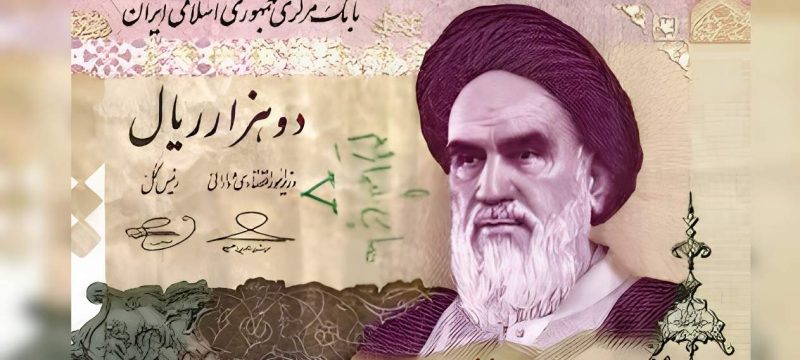
The Iranian Rial remains actively traded in Pakistan’s informal currency market as of Wednesday, May 13, 2026. Dealers report steady demand across major cities including Karachi, Quetta, and Lahore.
The Iranian Rial is currently trading at a higher local premium compared to its international value. Market activity shows continued buyer interest in cash transactions.
According to currency dealers, one crore Iranian rials, equal to 10 million IRR, is selling between Rs. 8,000 and Rs. 10,000 in Pakistan. This rate applies in the informal cash market.
This shows a significant gap compared to earlier levels. The Iranian Rial previously traded much lower at around Rs. 2,500 for the same bundle.
Despite weakness in global markets, local demand continues to support higher prices in Pakistan’s open market.
In comparison, official international conversion rates show a much lower valuation. Based on benchmark figures, 1 PKR equals approximately 4,700 Iranian rials.
At that rate, one crore Iranian rials should be worth around Rs. 2,120 to Rs. 2,130. However, informal trading pushes the value much higher locally.
Dealers say the Iranian Rial rate varies depending on city, dealer, and transaction size. Buyers are advised to verify rates before making any exchange.
In the informal market, 1 PKR buys around 1,000 Iranian rials. This rate is significantly different from the official exchange benchmark.
Market experts say demand is being driven by two key factors. The first is speculation linked to possible geopolitical changes involving Iran.
Investors are hoping that diplomatic developments could improve the value of the Iranian Rial in the future.
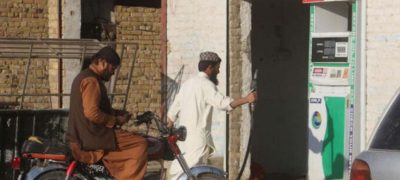
The second factor is cross-border trade activity. Traders in Balochistan continue to use rials for fuel, food, and other goods.
This cash-based trade system keeps demand steady despite currency volatility.
Experts warn that the Iranian Rial remains highly unstable in global markets. Sudden changes can affect local pricing quickly.
They also advise caution due to risks of counterfeit currency and unpredictable price shifts.
Financial observers suggest using licensed exchange companies for safer transactions.
The continued interest in the Iranian Rial highlights how regional trade and speculation continue to influence Pakistan’s informal currency markets.
In other news read more about Iranian Rial Remains in Demand in Pakistan’s Informal Currency Market
Dealers expect prices to remain volatile, depending on political developments and cross-border trade flows in the coming weeks.