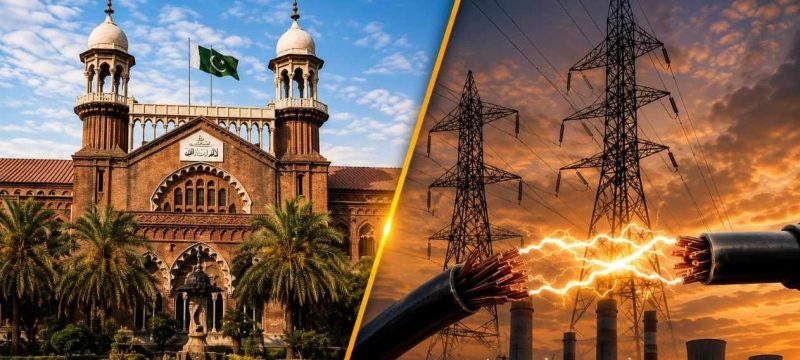
The Lahore High Court (LHC) has dismissed a petition challenging unannounced electricity and gas shortages, declaring the case unsupported by evidence and lacking legal merit.
The petition was filed against ongoing Load-Shedding and gas supply issues. However, the court ruled that the claims presented were not backed by sufficient facts or credible material.
In its detailed judgment, the court imposed a fine of Rs100,000 on the Judicial Activism Panel, which had filed the petition. The court stated that valuable judicial time had been wasted on a case that failed to provide adequate evidence to support its allegations.
According to the judgment, matters related to electricity distribution, gas supply, and Load-Shedding fall under the authority of regulatory institutions rather than the judiciary. The court explained that organizations such as the National Electric Power Regulatory Authority (NEPRA) and the Oil and Gas Regulatory Authority (OGRA) are responsible for overseeing and addressing such issues.
The court emphasized that these regulatory bodies have the legal framework and technical expertise needed to deal with complaints related to energy shortages and utility services.
The judgment further highlighted the importance of responsible public interest litigation. The court observed that petitions filed in the public interest must be supported by verified facts and substantial evidence. It stated that courts cannot entertain cases based on assumptions, speculation, or publicity-driven claims.
The bench noted that legal proceedings should not be used to gain attention or create unnecessary controversy. Instead, petitioners must ensure that their claims are supported by reliable information before approaching the courts.
The ruling also underlined the need for proper legal channels when raising concerns regarding public services. Citizens facing issues related to electricity outages, gas shortages, or Load-Shedding are expected to seek remedies through the relevant regulatory authorities before pursuing judicial intervention.
Despite dismissing the petition, the Lahore High Court granted the petitioner the right to challenge the decision. The court allowed a period of 30 days for filing an appeal against the ruling through the appropriate legal process.
The decision serves as a reminder that public interest cases must be based on strong evidence and legal grounds. It also reinforces the role of specialized regulatory bodies in handling technical matters related to energy management and public utility services.
In other news read more about:Peoples Lawyers Forum Moves NCCIA Over Alleged Defamation in Viral Documentary
Legal experts believe the judgment may influence how similar cases are filed in the future, particularly those involving utility services and regulatory oversight.