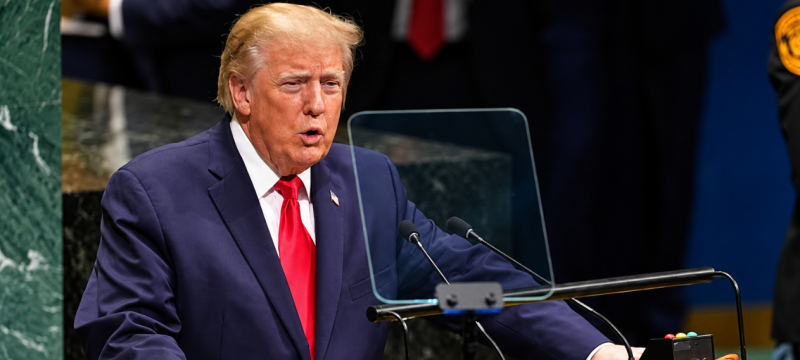
US President Donald Trump has reportedly rejected an Iranian proposal for a Ceasefire and diplomatic agreement aimed at reducing tensions in the Middle East. Iran is waiting for an official US response after presenting a plan through Qatari mediators.
The proposal was discussed during the United Nations General Assembly in New York. Iran said the plan could reopen the Strait of Hormuz and help end ongoing hostilities in the region within seven days.
According to reports, Trump remains doubtful about the agreement. US officials told the Wall Street Journal that he believes renewed military action could happen after the November US midterm elections.
Earlier, a US official described talks with Iran through mediators as “positive and constructive.” However, no final agreement has been reached between the two sides.
Iran’s proposal includes several steps. Tehran offered to reopen the Strait of Hormuz, resume nuclear discussions with Washington, and support a wider Ceasefire arrangement that would include Lebanon.
Iranian Foreign Minister Abbas Araghchi said the timeline would begin once the United States accepts the plan. He explained that initial steps would take around four to five days.
According to Araghchi, the strategic waterway could reopen on the sixth day. Talks on a final nuclear agreement would then begin on the seventh day.
He said Iran was prepared for negotiations if the US showed seriousness. Tehran also held discussions with Saudi Arabia over the importance of the Strait of Hormuz.
Iranian President Masoud Pezeshkian said his country was ready to discuss its nuclear programme and other issues. However, he said Iran would not accept pressure or threats.
Pezeshkian stated that Iran does not want war but would defend itself against attacks. He also said Iran had agreed not to develop nuclear weapons.
Previous diplomatic efforts have failed to stop the conflict, which began with US and Israeli strikes on February 28. Since then, the fighting has continued through periods of reduced violence and renewed attacks.
The conflict has caused thousands of deaths, weakened Iran’s military capabilities, and increased economic pressure. It has also affected global energy markets due to disruptions around one of the world’s most important shipping routes.
Regional tensions remain high. A Saudi-led coalition reported intercepting drones launched by Iran-backed Houthi forces toward Riyadh. Iranian-aligned groups have also been linked to attacks affecting Saudi energy infrastructure.
In other news read more about: Iran Says Strait of Hormuz Could Reopen Within Seven Days
Meanwhile, Hezbollah in Lebanon continues clashes with Israeli forces. These developments have increased international pressure for a diplomatic solution and a possible Ceasefire agreement.