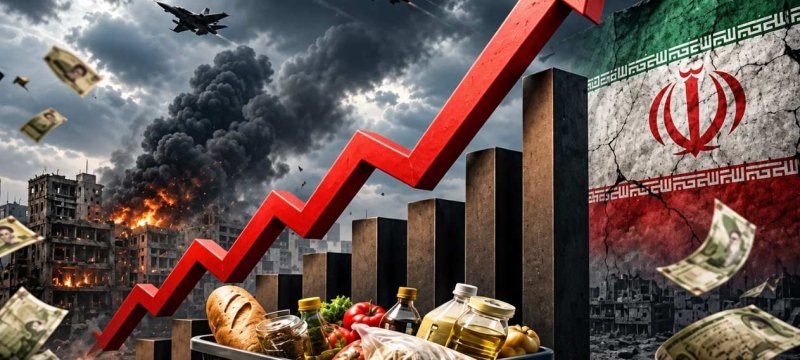
Iran is facing growing economic pressure as annual Inflation reached 73.6% in September 2026.
According to the Statistical Center of Iran, the rate reached its highest level in more than eight decades.
The reported figure represents the highest level since 1943. Consumer prices also recorded a sharp increase compared with the same period last year.
Prices in September were 89.8% higher than a year earlier. They also increased 4.2% compared with the previous month. The latest figures highlight mounting pressure on households as essential goods and services become more expensive.
Consumer Prices Rise Across Iran
Several major spending categories recorded significant year-on-year increases during September.
Tobacco products recorded the largest increase, with prices rising 162.7% from a year earlier.
Furniture prices increased by 124.6% during the same period.
Telephone and internet services became 122.7% more expensive, while food and beverage prices increased by 121.1%.
The rise in food costs is particularly important for households because food represents a major part of everyday spending.
Earlier World Bank estimates also showed significant food price pressure.
The bank estimated annual food inflation at around 99% in February 2026. Overall inflation stood at 62.2% at that time.
Iranian Rial Faces Pressure
The latest Inflation figures come as Iran’s currency continues to weaken on the free market. Bonbast recorded the US dollar at 2.558 million rials on September 29, 2026.
For comparison, the Associated Press reported a rate of around 1.42 million rials per dollar in December 2025. This represents an increase of approximately 80% in the rial cost of one US dollar.
A weaker currency can increase the local cost of imported goods and other foreign-priced products.
Economic Outlook Remains Challenging
Iran’s wider economic outlook also remains under pressure.
The IMF’s July 2026 outlook projected that Iran’s economy would contract by 5.4% during the year. It also forecast average consumer-price inflation of 68.9%.
Meanwhile, the World Bank estimated that Iran’s economy contracted by 2.7% during the Iranian year ending March 20, 2026.
The bank also reported weakness in investment and imports alongside strong price pressures.
Multiple Factors Behind Rising Inflation
US sanctions continue to affect Iranian banks, oil-related entities, and financial networks. However, sanctions are not the only factor behind Iran’s economic difficulties.
Currency depreciation, fiscal pressures, and domestic monetary conditions also contribute to rising prices.
The latest Inflation data indicates that Iranian consumers continue to face significant pressure from higher living costs.
In other news read more about: Trump Denies offering Iran Sanctions Relief, Release of Frozen Assets
Future price trends will depend on several economic factors, including currency movements, government policies, and broader economic conditions.