


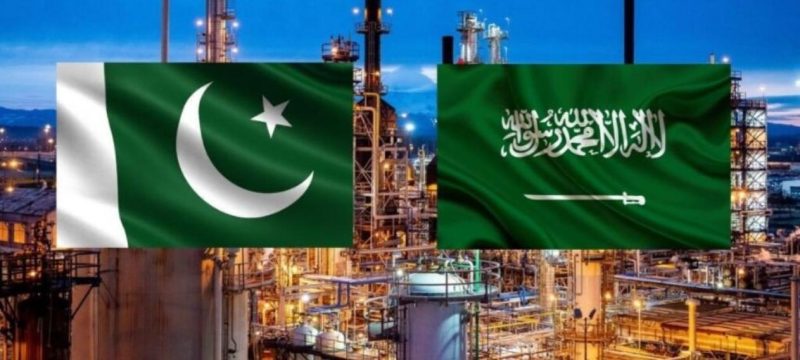
Pakistan is exploring alternative oil supply routes after Iran announced the closure of the Hormuz Strait, a key global energy corridor. The development has raised concerns about the stability of international oil supplies.
The request was made by Ali Pervaiz Malik during a meeting with Nawaf bin Said Al-Malki. According to the petroleum division, Pakistan asked Saudi Arabia to facilitate oil shipments through the Red Sea port of Yanbu.
Officials said most of Pakistan’s energy imports normally pass through the Hormuz Strait. Any disruption in this route could affect the country’s fuel supply chain.
Saudi Arabia offers alternative supply route
During the meeting, the petroleum minister briefed the Saudi ambassador on the rapidly changing regional situation. He explained that tensions in the Middle East could have serious consequences for global energy markets.
Pakistan requested Saudi support to maintain steady oil supplies. Authorities said the government is closely monitoring the situation surrounding Hormuz and preparing contingency plans.
Saudi officials reportedly assured Pakistan that crude oil could be supplied through the Red Sea port of Yanbu. This alternative route could help Pakistan avoid potential supply disruptions.
According to the minister, Saudi Arabia has already taken practical steps to assist. One vessel has been cleared to travel from Pakistan to Yanbu to collect crude oil.
Malik expressed hope that oil shipments from Yanbu would be prioritized for Pakistan during the current crisis. He also thanked Saudi Arabia for its continued cooperation.
The Saudi ambassador reaffirmed the Kingdom’s support for Pakistan. He said Saudi Arabia understands the seriousness of the regional situation and is ready to help meet Pakistan’s emergency energy needs.
Impact of the Hormuz closure
The crisis began after Iranian officials announced the closure of the Hormuz Strait following regional tensions. Iranian authorities warned that ships attempting to cross the waterway could face military action.
The Hormuz Strait is widely considered the most important oil shipping route in the world. It connects major Gulf oil producers to international markets.
Countries such as Saudi Arabia, Iran, Iraq, and the United Arab Emirates rely heavily on this corridor to export energy.
Experts estimate that nearly one-fifth of global oil consumption passes through the Hormuz Strait every day. The narrow passage measures about 33 kilometers at its tightest point.
Analysts say any long-term disruption in Hormuz could push global oil prices higher and create instability in energy markets.
In other news read more about: US Orders Evacuation of Non-Essential Staff From Pakistan Over Safety Concerns
For Pakistan, securing alternative routes is essential to maintain stable fuel supplies and protect the national economy during the ongoing regional crisis.