

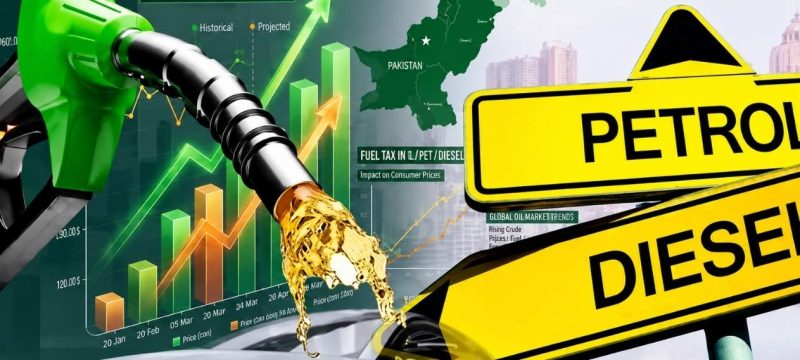
Pakistani government has announced fresh changes to fuel prices and the petroleum Levy structure as energy costs continue to fluctuate across the country.
According to an official notification issued by the Petroleum Division, the Levy on petrol has been reduced by Rs9.24 per litre. After the revision, the petrol levy now stands at Rs108.17 per litre instead of the previous Rs117.41.
At the same time, the government increased the Levy on high-speed diesel by Rs9.40 per litre. The diesel levy has now reached Rs52 per litre, compared to the earlier Rs42.60.
Despite the changes in the levy structure, the government also reduced the retail prices of both petrol and high-speed diesel by Rs5 per litre.
Following the latest adjustment, petrol is now available at Rs409.78 per litre, while high-speed diesel is being sold at Rs409.58 per litre nationwide.
The revised prices came into effect from midnight after the official notification was issued by authorities.
Fuel prices in Pakistan have remained unstable in recent months due to global oil market fluctuations and regional tensions. Since March, the country has witnessed several increases and decreases in petroleum prices.
Reports show that petroleum products have experienced five separate price hikes and three reductions during this period.
The recent fuel volatility intensified after tensions increased in the Middle East involving the United States, Israel, and Iran. Following the escalation, the Pakistani government sharply increased fuel prices on March 6 by Rs55 per litre.
A few days later, the government also announced strict austerity measures to manage economic pressures and rising import costs.
Prime Minister Shehbaz Sharif later stated that he had rejected several proposals for further fuel price increases despite continued pressure from global oil markets.
Officials say international crude oil prices and exchange rate fluctuations continue to affect domestic fuel costs in Pakistan.
The government’s latest decision to adjust the Levy differently for petrol and diesel has also drawn public attention because diesel is widely used in transportation, agriculture, and heavy industries.
Experts believe higher diesel-related charges can increase transportation expenses, which may eventually affect food prices and overall inflation.
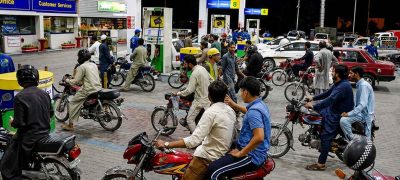
Meanwhile, petrol is mainly used by motorcycles, cars, and small vehicles for daily travel and commuting.
Fuel inflation has also become a global issue in recent months. Countries including the United States, United Kingdom, India, Canada, the UAE, Malaysia, Myanmar, and the Philippines have all experienced rising fuel prices to varying degrees.
In other news read more about: Government Reduces Petrol and Diesel Prices by Rs5 Per Litre for Next Week
Economic analysts say future fuel prices in Pakistan will continue to depend heavily on global oil trends, geopolitical tensions, and domestic financial conditions.