MOSCOW: Russian health authorities are investigating the death of a 28-year-old laboratory worker in Siberia amid fears the case may involve pneumonic plague, a rare but highly contagious respiratory infection, officials said this week.
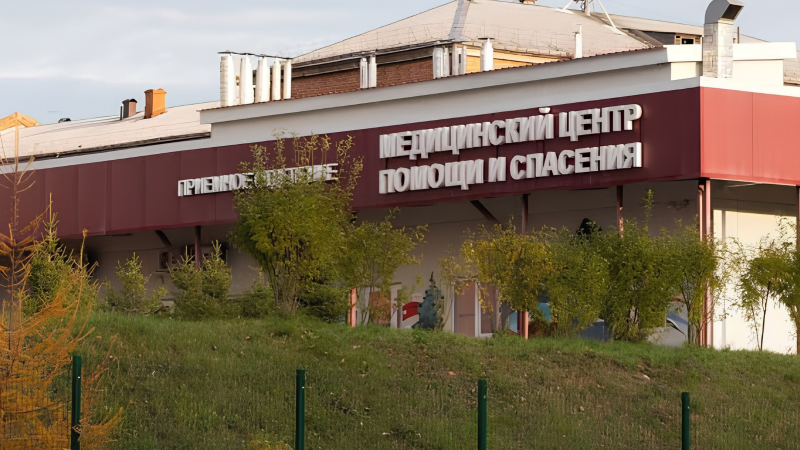
A staffer at the Irkutsk Anti-Plague Institute of Siberia and the Far East, fell ill earlier in the week and died within days, according to Russian media reports citing her family. Authorities in the Irkutsk region subsequently placed nearly 200 people who had come into contact with her under medical observation, and a hospital in the city of Shelekhov was placed under quarantine.
Despite the lack of official confirmation, the case has drawn international attention because of the nature of the institute where the diseased worked. Pneumonic plague, unlike the bubonic form of the disease associated with outbreaks in medieval Europe, is a lung infection that spreads through respiratory droplets and can prove fatal within 24 hours if left untreated. Health authorities say the untreated fatality rate approaches 100 per cent, though the illness is treatable with antibiotics if caught early.
The World Health Organisation said Tuesday that Russian officials had informed it, in response to a formal request, that no case of plague had been recorded in Irkutsk. A US State Department spokesperson, however, said Monday there had been “reports of a fatal case of suspected pneumonic plague” in the region, and the US Centers for Disease Control and Prevention confirmed it was “aware of and monitoring” the situation.
US President Donald Trump told reporters at the White House on Tuesday that he had a call scheduled with Russian President Vladimir Putin to discuss the matter, describing pneumonic plague as “a rough disease” and saying he was willing to offer American assistance. “I hate to see them having it,” he said.
Irkutsk Governor Igor Kobzev has not publicly named the illness involved, referring to it only as a “dangerous infectious disease.” Russian authorities have yet to issue a conclusive diagnosis.