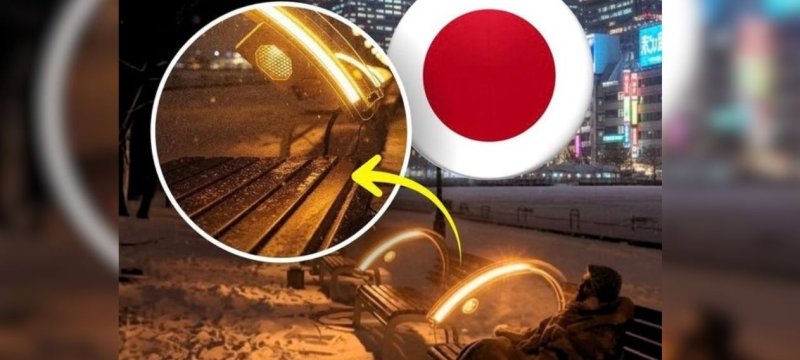
Japan has launched pilot programmes using solar-powered heated benches and bus stop shelters. The projects aim to provide warmth during cold winter nights. The programmes are being tested in major cities, including Tokyo, Osaka and Sapporo. The initiative focuses on people who may struggle to find adequate shelter during winter.
The heated benches and shelters use solar energy collected during the daytime. Special phase-change materials store the energy as heat for later use. The stored heat can be released for up to 12 hours after sunset. This allows the system to provide warmth during the colder nighttime hours.
The technology does not require electricity from the power grid. It also does not depend on fuel to generate heat. This makes the system a potentially eco-friendly option for warming public spaces. It could also reduce operating costs compared with conventional heating systems.
The pilot programmes are designed to support vulnerable people during extreme cold. People without adequate shelter are among the main groups expected to benefit. The initiative could also help reduce health emergencies linked to cold weather. Exposure to very low temperatures can create serious health risks for vulnerable people.
Elderly people are another group that could benefit from the heated public facilities. Older adults can be more vulnerable to the effects of cold weather. Outdoor workers and commuters may also use the heated benches and shelters. The facilities could provide temporary relief while people wait or work outdoors.
The solar-powered system stores energy during daylight hours. It then releases that stored heat after the sun goes down. The approach could offer a practical way to use renewable energy in public spaces. It also avoids the need for continuous grid power. The projects in Tokyo, Osaka and Sapporo are being used to assess the technology. Authorities will be able to observe how the systems perform in real winter conditions.
The results could help determine whether the technology can be expanded to other public areas. Further use would depend on the performance and effectiveness of the pilot programmes. The initiative highlights Japan’s efforts to explore cleaner solutions for public infrastructure. It combines renewable energy technology with measures aimed at protecting people from cold weather.
In other news read more about Want to Study in Japan? Pakistani Students Can Apply for Honjo
If successful, the programme could provide a new model for warming public spaces. It may also demonstrate how stored solar energy can support communities after sunset. The pilot projects show how Japan is testing alternative approaches to winter safety. The focus remains on providing accessible warmth without relying on fuel or grid electricity.