Canada is preparing to announce its response to new US tariffs imposed by President Donald Trump. The move has increased tensions between the two countries.
Canadian ministers are expected to explain the government’s measures during a press conference in Ottawa. The announcement is expected on Tuesday.
The ministers include officials responsible for finance, industry and labour. Other government representatives are also expected to participate.
Canada and the United States failed to reach a trade agreement last Friday. The talks aimed to prevent new tariffs on Canadian goods.
The United States then imposed 50 percent tariffs on selected Canadian products. The duties took effect on Saturday.
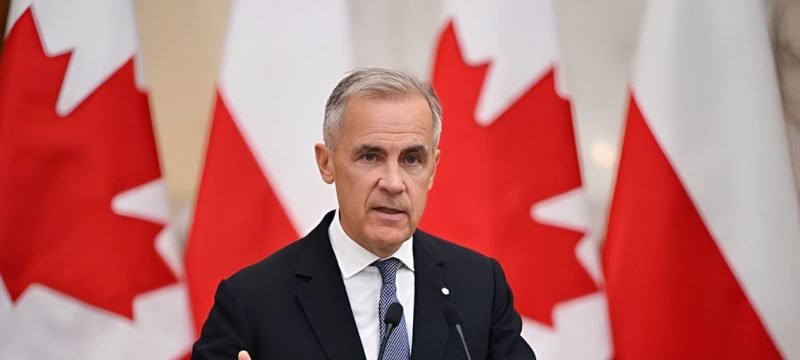
Ottawa has already prepared plans for retaliatory measures against US products. Prime Minister Mark Carney announced some of those measures earlier.
Trump Announces Higher Auto Tariffs
Trump announced another tariff increase on Canadian automobiles on Monday. He said tariffs on Canadian autos would rise to 50 percent next year.
The current US tariff on Canadian automobiles stands at 25 percent. The rate applies to the non-US content of vehicles.
Imported steel also faces a general US tariff of 50 percent. The latest measures have raised concerns among businesses on both sides.
Canadian Prime Minister Mark Carney said the government rejected what he described as a poor trade agreement.
He announced retaliatory tariffs starting September 8. The measures will target several US industries.
These industries include steel and dairy. Canadian measures will also affect agricultural equipment, paper and electronics.
Carney said Canada wants the best possible agreement. He stressed that Ottawa would not accept a deal at any cost.
He also accused US negotiators of seeking terms that could harm major Canadian industries. These industries include automotive, steel and aluminium.
Canada Plans New Trade Measures
The Canadian government said new measures would support workers and businesses. Officials described the current period as challenging for the Canadian economy.
Carney has also emphasized expanding domestic production. He said Canada would continue diversifying its international trade.
According to Carney, US negotiators made additional demands during the final stage of talks. These reportedly included restrictions on Canada’s trade agreements with other countries.
He also raised concerns about demands involving French-language protections and Quebec culture.
US Vice President JD Vance rejected Canada’s position. He blamed Ottawa for making unreasonable demands at the final stage.
The United States remains Canada’s largest trading partner. Canadian exports to the US account for around 70 percent of total Canadian exports.
Canada is also one of the United States’ largest goods trading partners. Mexico currently ranks ahead of Canada.
Trump Says US Does Not Need Canada
Public opinion in Canada has largely supported Carney’s decision to leave the talks. However, polling also showed concerns about possible job losses.
Ontario Premier Doug Ford strongly criticized Trump’s tariff threat against Canadian automobiles. He also warned that Ontario could consider an electricity surcharge.
Trump responded to Ford’s comments online. He warned that Canada could face much stronger consequences.
The latest US tariffs affect around 5.5 percent of Canadian goods entering America. The affected products are worth about $20 billion.
These products include hockey sticks, cement and other Canadian goods.
Trump has defended the tariffs by accusing Canada of unfair trade practices. He has also said the United States does not need Canada.
US Trade Representative Jamieson Greer said Washington had offered several concessions. These included reducing some auto and steel tariffs.
The two countries must also address the future of the US-Mexico-Canada trade agreement. Trump has declined to renew the agreement in its current form.
In other news read more about Trump Seeks Pakistan’s Help to Bring Iran Back to Talks Ahead of Asim Munir’s Tehran Visit
The trade dispute has added pressure to relations between the longtime neighbors. Canada’s upcoming announcement could determine the next stage of the conflict.